Tag: Value Investing

  • GNG Electronics IPO: Will This Refurbished Tech Stock Polish Your Portfolio or Just Collect Dust?

    GNG Electronics IPO: Will This Refurbished Tech Stock Polish Your Portfolio or Just Collect Dust?


    The subscription window for the GNG Electronics IPO (Initial Public Offering) opened on July 23, 2025, and closed on July 25, 2025, creating quite a stir in the investment community. With a price band of ₹225-237 per share and an overall issue size of ₹460.43 crore, this refurbished electronics specialist has caught the attention of both retail and institutional investors. But here’s the million-rupee question: does the GNG Electronics IPO deserve your hard-earned money, or is it a potential market trap similar to what investors question in other hyped stocks?

    What Exactly Does GNG Electronics Do?

    GNG Electronics operates under the brand “Electronics Bazaar” and has carved out a niche in the refurbished electronics space. The company’s business model is straightforward yet comprehensive:

    • Global Operations: Present across India, US, Europe, Africa, and UAE
    • Product Range: Refurbishes laptops, desktops, tablets, servers, smartphones, and accessories
    • Value Chain Control: Manages everything from sourcing to after-sales service
    • Price Advantage: Offers refurbished laptops at one-third the price of new ones

    The company serves major clients like Vijay Sales, HP, and Lenovo through buyback programs and distributes across 38 countries via 4,154 touch points as of March 31, 2025.

    GNG Electronics IPO Structure: Fresh Money vs Promoter Exit

    The ₹460.43 crore issue breaks down into two components:

    • Fresh Issue: ₹400 crore (87% of total issue)
    • Offer for Sale (OFS): ₹60.43 crore from promoters (13% of total issue) (OFS is a mechanism where promoters sell their own shares to the public, and the money goes to the promoters, not the company).

    This structure sends a mixed signal. While the majority is fresh capital for business expansion, the promoter exit component raises questions about their confidence in future growth prospects. It’s a critical factor to analyze in any public offering, whether it’s the 3B Films IPO or a mega-issue from an established player.

    The Numbers That Matter

    Financial Performance:

    • Revenue: ₹1,411.11 crore (FY25)
    • Net Profit: ₹68.83 crore (FY25)
    • Market Cap at Upper Band: Over ₹2,700 crore

    Valuation Metrics:

    • P/E Ratio (Price-to-Earnings Ratio): 33.43x (based on FY25 earnings) (For more details see here)
    • P/BV Ratio (Price-to-Book Value Ratio): 10.17x

    Here’s where experience teaches caution. A P/E of 33.43x for a refurbishment business seems stretched, especially when you consider that this isn’t a high-growth tech platform but a traditional buy-refurbish-sell operation.

    Day 1 Subscription: The Good and The Concerning

    The IPO saw robust demand with an overall subscription of 8.99 times by 5:00 PM on July 23:

    • Retail Portion: 8.89 times subscribed
    • NII (Non-Institutional Investors) Portion: 18.85 times subscribed
    • QIB (Qualified Institutional Buyers) Portion: 1.68 times subscribed

    While these numbers look encouraging, experienced market watchers know that high subscription rates don’t guarantee post-listing performance. The relatively modest QIB subscription compared to retail frenzy is worth noting, especially when the broader market is witnessing mega block deals that hint at where institutional money is moving.

    Anchor Investor Participation: A Confidence Booster

    GNG Electronics secured ₹138 crore from Anchor Investors (large institutional investors who are allotted shares before the IPO opens to the public, signifying confidence). Participants included:

    • Goldman Sachs Fund
    • Motilal Oswal Mutual Fund
    • Edelweiss Mutual Fund
    • Mirae Asset Mutual Fund

    Quality institutional participation often indicates due diligence approval, but remember – even sophisticated investors can get it wrong.

    Grey Market Premium: What ₹103 Really Means

    The Grey Market Premium (GMP) of ₹103 suggests potential listing gains of 43.46%. (GMP is an unofficial premium at which IPO shares trade before they are listed on the stock exchanges). While this sounds attractive, grey market premiums can be misleading indicators of long-term value.

    Critical Question: If the business fundamentals justify such premiums, why are promoters selling shares in the OFS component?

    The Positive Case: Why Brokerages Say ‘Subscribe’

    Growth Tailwinds:

    • Global Refurbished PC Market expected to grow at 18.9% CAGR (Compound Annual Growth Rate) from CY24-CY29E.
    • Indian Refurbished PC Market projected at 31.3% CAGR from FY25-FY30E.
    • Shift from unorganized to organized players benefits established companies.

    Debt Reduction Plan:
    The company plans to repay ₹320 crore in debt during FY26, which should reduce interest expenses and improve profitability margins.

    Unique Positioning:
    No directly comparable listed peers in India makes valuation benchmarking difficult but also offers scarcity value.

    The Skeptical View: Red Flags Worth Considering

    High Valuation Concerns:
    At over ₹2,700 crore market cap, the company is already valued like an established player. For a business that essentially buys, refurbishes, and resells electronics, this premium seems ambitious.

    Debt Burden Reality:
    While debt repayment is positive, the fact that the company carries ₹320 crore in debt raises questions about past capital allocation decisions. A company’s relationship with debt can be complex; for instance, the perplexing story of Reliance Infra’s stock falling despite becoming debt-free shows that debt reduction alone doesn’t guarantee a positive market reaction.

    Market Dependency:
    The refurbished electronics market is highly dependent on:

    • Supply of used devices
    • Consumer acceptance of refurbished products
    • Technological obsolescence cycles

    Promoter Selling:
    The ₹60.43 crore OFS component means promoters are partially cashing out at IPO prices. This doesn’t align with the narrative of unlimited growth potential.

    Sector Dynamics: The Bigger Picture

    The refurbished electronics sector benefits from:

    • Environmental consciousness driving sustainable consumption
    • Cost-conscious buyers seeking value deals
    • Corporate IT refresh cycles providing steady supply

    However, challenges include:

    • Rapid technological advancement reducing product lifecycles
    • Quality perception issues among consumers
    • Intense competition from e-commerce platforms, whose supply chains are tied to major players. For context, understanding Apple’s India strategy for the iPhone can reveal a lot about the primary device market, which directly feeds the secondary refurbished market.

    Investment Perspective: Who Should Consider the GNG Electronics IPO?

    Suitable For:

    • Investors believing in circular economy trends
    • Those seeking exposure to organized refurbishment market
    • Long-term investors comfortable with moderate growth businesses

    Avoid If:

    • You’re looking for high-growth technology plays
    • Valuation comfort is your primary concern
    • You prefer businesses with clearer competitive moats

    The Verdict: Measured Optimism with Caution

    GNG Electronics operates in a sector with decent growth prospects and has built a comprehensive business model. The company’s global presence and established client relationships provide some competitive advantages.

    However, the valuation for the GNG Electronics IPO appears stretched for what is essentially a traditional buy-refurbish-sell operation. The partial promoter exit through OFS adds to these valuation concerns. While there’s a buzz, it’s wise to be cautious and see if this is truly where smart money is placing its bets, as seen in other major listings.

    For investors considering this IPO, remember that successful investing often lies in buying good businesses at reasonable prices, not just good businesses at any price.

    Final Thought: Just as buying a refurbished laptop requires checking its history, specifications, and warranty terms, investing in the GNG Electronics IPO demands careful evaluation of business fundamentals beyond market excitement.


    Disclaimer: This analysis is for informational purposes only and should not be construed as investment advice. For more details on what an IPO is, please refer to this guide. The author holds no position in GNG Electronics. Readers are advised to consult with qualified financial advisors and conduct their own research before making investment decisions. Past performance and projections do not guarantee future returns.

  • Prime Securities Dividend Growth: A 31% Earnings Puzzle for Investors?

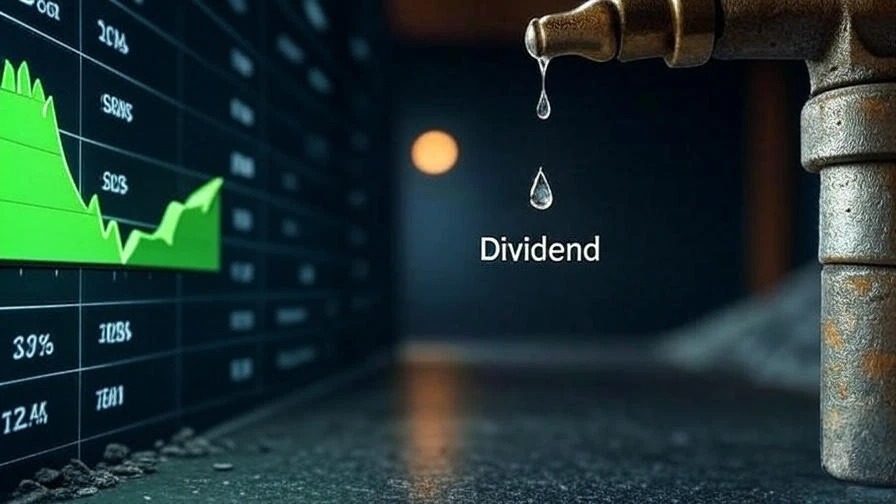
    Prime Securities Dividend Growth: A 31% Earnings Puzzle for Investors?


    The puzzle around Prime Securities dividend growth is a classic curveball for Indian stock market investors. Prime Securities Limited (NSE:PRIMESECU) is serving up a perfect example, creating quite the buzz with its ex-dividend date approaching on June 26th – but not for the reasons you might expect.

    The Immediate Opportunity: Ex-Dividend Alert

    If you’re eyeing that upcoming dividend, here’s what you need to know about this stock that’s confusing the market about its Prime Securities dividend growth prospects.

    • Ex-dividend date: June 26th (The cutoff date for an investor to own a stock to be eligible for the upcoming dividend payment. If you buy the stock on or after this date, you will not receive the dividend.)
    • Dividend amount: ₹1.50 per share (increased from last year)
    • Payment date: August 2nd
    • Current stock price: ₹259.34

    To receive this dividend, you must own the stock before the ex-dividend date of June 26th. While the ₹1.50 payout is an incre from the previous year, the yield is a modest 0.6% – hardly the stuff that gets income investors excited.

    The Growth Story That’s Hard to Ignore

    Here’s where the story of Prime Securities gets interesting. The company has been on an absolute tear when it comes to earnings growth.

    Stellar Financial Performance

    The numbers speak for themselves:

    • 31% annual earnings growth over the past five years
    • 30.8% projected EPS growth for the next 12 months
    • 13% payout ratio – incredibly conservative for any standard. (The payout ratio is the percentage of a company’s earnings that it pays out to shareholders as dividends. A low ratio indicates the company is retaining most of its profits. For a deeper dive, you can learn more about the Payout Ratio on Investopedia.)

    This kind of earnings trajectory signals a company hitting its stride. When a business can consistently grow earnings at 31% annually, it suggests strong operations and market positioning.

    The Reinvestment Story

    With a payout ratio of just 13%, Prime Securities is clearly prioritizing reinvestment over immediate dividend distributions. This approach often creates significant long-term value as companies channel profits back into:

    • Business expansion initiatives
    • Technology upgrades and innovation
    • Market share acquisition
    • Strengthening the balance sheet

    For growth-oriented investors, this strategy often pays dividends (pun intended) through capital appreciation down the line.

    The Prime Securities Dividend Growth Puzzle

    Now here’s where things get puzzling for anyone tracking Prime Securities dividend growth. Despite the impressive earnings, the dividend history tells a different story.

    The Concerning Trend

    • Dividend decline: An average 3.8% annual decrease over the past four years
    • Historical payout: Dropped from ₹1.75 in 2021 to the current ₹1.50
    • Inconsistent payments: An erratic dividend distribution pattern

    This creates an unusual scenario – rapid earnings growth paired with declining dividend payouts. It’s like a successful restaurant making more money each year but serving smaller portions to its loyal customers.

    What Could This Mean?

    There are two potential explanations for this apparent contradiction:

    1. Scenario 1: Business Uncertainty
      Management might be conserving cash due to underlying business challenges or market volatility concerns, despite the strong reported earnings.
    2. Scenario 2: Strategic Reinvestment
      The company could be intentionally prioritizing aggressive reinvestment over dividend consistency to fuel explosive long-term growth.

    Given the low 13% payout ratio, the second scenario seems more probable, but it’s a critical point for dividend-focused investors to consider.

    The Bright Side for Long-Term Investors

    Despite the dividend inconsistency, there are several compelling reasons to be optimistic about the future of Prime Securities dividend growth.

    Financial Strength Indicators

    • Low payout ratio provides flexibility: At 13%, there is significant room for future dividend increases.
    • Dividend coverage is solid: Both cash flow and earnings comfortably support the current payouts.
    • Projected sustainability: The payout ratio could drop to a mere 8.8% next year if growth continues, making the dividend even more secure.

    Growth Potential

    Companies with this combination of rapid earnings growth and a conservative dividend policy can become tomorrow’s dividend aristocrats. (A dividend aristocrat is a company in the S&P 500 index that has not just paid a dividend but increased its dividend for at least 25 consecutive years. You can read more about them here). The current reinvestment strategy could lead to:

    • Stronger competitive positioning and market share
    • Higher future earnings capacity
    • Eventually, much larger dividend payments

    Red Flags Investors Should Consider

    No investment is without risks, and Prime Securities has clear points of caution.

    Dividend Reliability Concerns

    • Questionable Management Priorities: The declining payment history despite massive earnings growth raises questions about whether management values returning capital to shareholders.
    • Low Current Yield: At 0.6%, it fails to meet the needs of income-focused investors.
    • Inconsistent Policy: The lack of a clear, consistent dividend policy makes future payouts unpredictable.

    Market Warnings

    Our analysis indicates a warning sign related to the company’s dividend track record. The inconsistency is a significant factor that all potential investors must research thoroughly before making a decision. Diligence is key.

    Who Should Consider This Stock?

    Prime Securities appears best suited for specific investor profiles:

    • Growth Investors: If you seek capital appreciation and can tolerate dividend volatility, the 31% earnings growth story is highly compelling.
    • Long-Term Value Seekers: Investors who believe in the reinvestment strategy may see this as an opportunity to buy into a future dividend powerhouse at an early stage.

    This Stock is Not Ideal For:

    • Income-dependent retirees seeking reliable dividend streams.
    • Conservative investors who are uncomfortable with dividend volatility.
    • Anyone requiring immediate high-yield returns.

    The Verdict: A Growth Wolf in Dividend Sheep’s Clothing?

    Prime Securities presents a classic investment dilemma. The company shows excellent financial health with impressive earnings growth. However, its dividend track record suggests this is more of a growth play disguised as a dividend opportunity. The lack of consistent Prime Securities dividend growth is the central issue.

    The upcoming ₹1.50 dividend is a positive sign, but investors should not expect a smooth, upward dividend trajectory in the near term. This is a company prioritizing long-term value creation. For investors comfortable with that trade-off, Prime Securities could be a ground-floor opportunity. However, those seeking reliable income should look elsewhere.


    Disclaimer: This analysis is for informational purposes only and should not be construed as investment advice or a recommendation to buy or sell Prime Securities Limited. All investment decisions should be made based on individual financial circumstances, risk tolerance, and investment objectives. Please consult with a qualified financial advisor before making any investment decisions. Past performance does not guarantee future results, and all investments carry inherent risks including potential loss of principal.