India’s Tech Leap is unfolding with two historic moments happening simultaneously—Tesla’s long-awaited market entry and a space mission that almost went terribly wrong. These developments could reshape how we think about India’s technological future, but the reality is more complex than the headlines suggest.
Tesla’s Grand Entry: High Hopes and Higher Prices

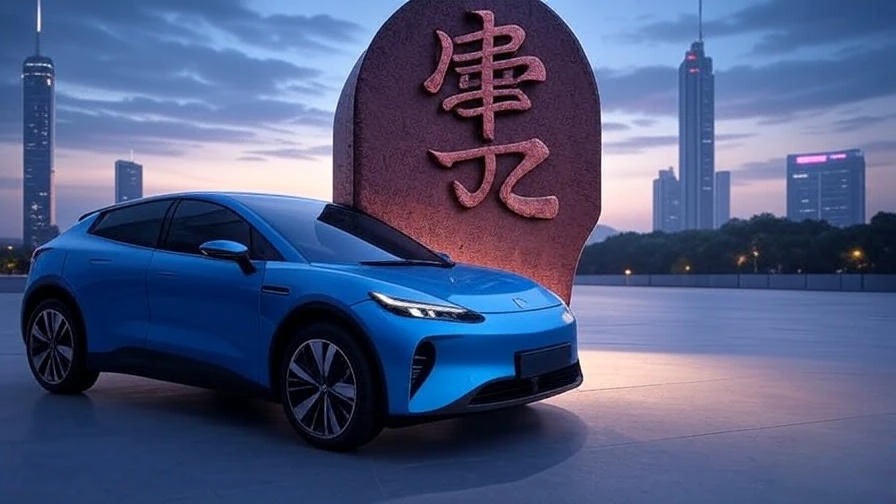
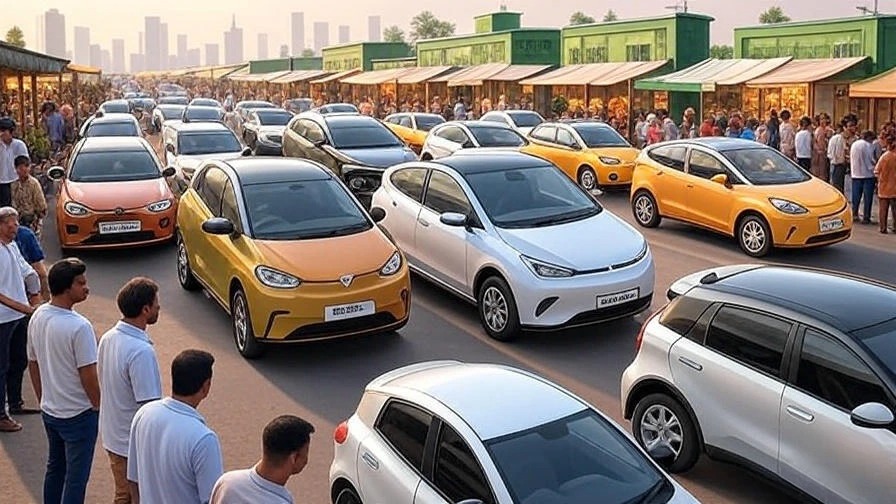
After years of speculation and regulatory battles, Tesla has officially opened its first Indian showroom in Mumbai. The electric vehicle giant is offering the Model Y SUV with prices ranging from Rs 60 lakh to Rs 70 lakh, positioning itself firmly in the luxury segment.
The Positive Side
Tesla’s arrival brings several advantages to India’s electric mobility landscape:
- Brand Recognition: Tesla’s global reputation could inspire more Indians to consider electric vehicles seriously.
- Technology Transfer: The company’s advanced features, including self-driving capabilities (available for an additional Rs 6 lakh), introduce cutting-edge automotive technology to Indian consumers.
- Market Validation: Tesla’s presence validates India as a significant emerging market for premium EVs.
The Reality Check
However, several challenges cast a shadow on this milestone for India’s Tech Leap:
- Pricing Concerns: At Rs 60-70 lakh, Tesla vehicles remain accessible only to a tiny fraction of Indian consumers.
- Manufacturing Hesitation: Despite government incentives offering duty relief for local manufacturing, Elon Musk hasn’t committed to establishing production facilities in India.
- Infrastructure Gaps: India’s charging infrastructure still needs significant development to support widespread EV adoption, a part of the hidden battle for EV components that could define the industry’s success.
The big question remains: Can Tesla’s premium positioning actually accelerate India’s transition to electric mobility, or will it remain a niche player for the affluent?
ISRO’s Critical Save: The Unsung Story of India’s Space Heroism

While Tesla made headlines, a more significant story for India’s Tech Leap unfolded in space—one that showcased our nation’s growing expertise in international space operations.
Shubhanshu Shukla’s Historic Journey
Group Captain Shubhanshu Shukla became the first Indian to visit the International Space Station in 41 years, completing a successful 20-day mission. His Dragon spacecraft ‘Grace’ safely splashed down in the Pacific Ocean, marking a crucial milestone.
This mission provides vital experience for India’s upcoming Gaganyaan human spaceflight program. Shukla is currently undergoing a seven-day medical evaluation and recovery protocol, including cardiovascular assessments and psychological debriefs.
ISRO’s Unsung Heroics
The real story lies in what almost went wrong. ISRO’s 13-member team at Kennedy Space Centre potentially saved lives by refusing to authorize a launch with a compromised Falcon-9 rocket.
The Crisis: A day before the scheduled June 10 lift-off, a liquid oxygen leak was discovered on the booster rocket. Despite SpaceX’s initial attempts to proceed, ISRO’s Dr. V Narayanan—a liquid engine expert—insisted on thorough safety checks.
The Stand: ISRO firmly stated they wouldn’t authorize the launch until the problem was completely resolved, emphasizing that astronaut safety was non-negotiable. This decisive action led to identifying and replacing the cracked portion of the rocket.
Global Recognition
This incident highlights ISRO’s growing influence in international space operations and its unwavering commitment to global safety standards. The collaborative experience has also provided ISRO’s Mission Operations Team with invaluable insights into international crewed mission coordination.
Development Challenges: Progress vs. Preservation

India’s ambitious development projects continue to face the classic dilemma between modernization and community displacement.
The Banke Bihari Corridor Project
The Rs 1,000 crore Banke Bihari Corridor in Vrindavan, approved by the Supreme Court, mirrors the Kashi Vishwanath Temple initiative. While aimed at improving infrastructure, it faces opposition from local residents.
The Dilemma: Traditional sevayats who have lived near the temple for generations will be relocated 7 km away. Their concerns about losing their traditional way of life highlight the complex trade-offs in large-scale infrastructure projects.
Other Developments Shaping India’s Narrative

- Educational Revisions: NCERT’s latest Class 8 Social Science textbook revisions now highlight “religious intolerance” during the Delhi Sultanate and Mughal era, while noting that “no one should be held responsible today for events of the past.”
- Grassroots Activism: In Madhya Pradesh’s Sidhi district, 22-year-old influencer Leela Sahu’s campaign for basic road connectivity demonstrates how infrastructure gaps continue to affect rural lives.
- Geopolitical Concerns: Trump’s increasing closeness with Pakistan and potential disruption of India’s oil trade with Russia have sparked discussions about re-evaluating India’s foreign policy approach.
What This Means for India’s Future

These developments paint a picture of a nation simultaneously reaching for the stars while grappling with ground realities. Tesla’s entry, while symbolically significant, may not immediately transform the transportation landscape.
Meanwhile, ISRO’s achievements and safety standards are a powerful testament to India’s Tech Leap, showcasing our growing capabilities. This progress isn’t isolated; it’s happening in the private sector as well, with milestones like Reliance Industries breaking into the global tech elite. The successful completion of Shukla’s mission and ISRO’s critical safety intervention prove India’s readiness for more ambitious space programs.
The Road Ahead

India’s journey toward becoming a technology superpower involves navigating complex challenges—from making advanced technology accessible to balancing development with community concerns. The Tesla launch and ISRO’s success represent significant milestones, but they also highlight the work still needed to make India’s Tech Leap truly inclusive for all.
Whether Tesla can adapt its strategy to a price-sensitive market and whether ISRO can leverage its expertise for commercial success will determine the long-term impact of these developments.
Disclaimer: This article is for informational purposes only and should not be considered as investment advice or a recommendation to buy or sell any securities. Please consult with a qualified financial advisor before making any investment decisions.