Tag: Investing in India

  • Highway Infrastructure IPO: Is the 27x Rush a Trap?

    Highway Infrastructure IPO: Is the 27x Rush a Trap?

    The Highway Infrastructure IPO has investors talking, and it’s easy to see why. This offering was oversubscribed by a spectacular 27 times, creating a frenzy. But before you get swept up in the euphoria, a word of caution: powerful market momentum doesn’t always guarantee a safe investment, as we’ve seen in other cases where 100x oversubscription tells only half the story. Let’s dissect both the dazzling hype and the hidden risks of this infrastructure story.

    The Numbers That Turned Heads

    The Highway Infrastructure IPO commanded attention from the moment it launched. The ₹130-crore public offering, which opened on August 5, 2025, showcased a remarkable appetite from the market.

    Key Subscription Metrics:

    • Overall Subscription: 27 times oversubscribed (meaning demand was 27 times higher than the shares available).
    • Retail Investors: 29 times subscription rate.
    • Non-institutional Investors: 33 times booking.
    • Institutional Buyers: 5 times subscription.
    • Grey Market Premium (GMP): Over 57% (GMP is the price at which IPO shares are traded in an unofficial market before they are listed on the stock exchange. A high GMP often suggests a strong listing is expected. You can learn more about GMP here at Investopedia).

    Even before the public offering, the company secured ₹23.40 crore from anchor investors (investors who are offered shares in an IPO before it opens to the public), including HDFC Bank and Abans Finance Pvt. Ltd. This early backing signals institutional confidence, but it’s no guarantee of success for retail investors.

    What Highway Infrastructure Actually Does

    Highway Infrastructure Ltd. (HIL) is more than just a construction company. The Indore-based firm, incorporated in 1995, has strategically diversified its operations across several key verticals.

    Business Verticals:

    • Tollway collection operations.
    • Engineering, Procurement, and Construction (EPC) projects.
    • Real estate development.
    • Road, highway, and bridge construction.
    • Residential project development.

    The company reported a total income of ₹504.48 crore with a profit after tax of ₹22.40 crore. The IPO proceeds are earmarked for working capital requirements (₹65 crore) and general corporate purposes.

    The Bullish Case: Why Investors Are Excited

    Several factors fuel the positive sentiment around this IPO. First and foremost, India’s massive infrastructure push creates a fertile ground for companies like HIL.

    Growth Catalysts:

    • Government Spending: The government’s unwavering focus on highway development provides a robust pipeline of potential projects, similar to the growth seen in other government-backed sectors.
    • Diversified Revenue: Multiple income streams across toll collection, EPC, and real estate reduce dependency on a single segment.
    • Established Presence: Nearly three decades of operational experience builds credibility.
    • Strong Subscription: The overwhelming market response reflects high investor confidence in the Highway Infrastructure IPO.

    5 Critical Risks to Consider Before Investing

    Excitement must be balanced with a sober assessment of the risks. Here are five red flags that demand your attention before you make an investment decision.

    1. Revenue Concentration Concerns

    The company is heavily dependent on contracts from the National Highways Authority of India (NHAI) for its tollway business. You can visit the official NHAI website here to see the scale of their projects. Similarly, most of its EPC revenue comes from public sector clients. Losing a single major contract could significantly harm its financial performance.

    2. Geographical Limitations

    HIL’s operations are heavily concentrated in specific regions of India. This lack of geographical diversification means that any adverse local developments—such as economic slowdowns, regional policy changes, or political instability—could disproportionately impact the entire business.

    3. Short-Term Contract Challenges

    NHAI tolling contracts typically run for only one year, with limited possibilities for extension. This short-term structure creates constant pressure on the company to continuously bid for and win new projects, introducing uncertainty into its revenue stream.

    4. The Capital-Intensive Reality

    Infrastructure is a cash-hungry business. It requires massive capital for equipment, materials, and labor. If HIL faces cash flow problems or struggles to manage its debt, its operations could be severely hampered. Strong liquidity management is non-negotiable, as the performance of infrastructure companies can be complex; sometimes even becoming debt-free isn’t enough to boost the stock.

    5. Potential Conflicts of Interest

    Investors must be vigilant about related-party transactions. The company’s promoters have business interests in other, similar companies. Furthermore, HIL engages in projects with these related parties, which could create potential conflicts of interest that may not always align with shareholder value.

    The Final Verdict

    The Highway Infrastructure IPO presents a classic case of opportunity versus risk. The strong subscription numbers and HIL’s established presence are compelling, but they don’t tell the whole story.

    Key Takeaways:

    • Positives: Proven track record, diversified business model, strong sector tailwinds from government spending, and a fantastic market reception.
    • Risks: High dependency on government contracts, regional concentration, short contract tenures, a capital-intensive model, and potential conflicts of interest.

    Making Your Investment Decision

    Instead of chasing the crowd, your decision should be based on your personal financial goals and risk tolerance. It’s crucial to look past the initial excitement, just as investors must be cautious when a stock jumps 1600% in a single day.

    Ask Yourself:

    • Does my portfolio need exposure to the infrastructure sector?
    • Can I tolerate the volatility tied to government contract cycles?
    • Am I comfortable with a company whose fortunes are tied to specific regions?

    The Bottom Line

    The Highway Infrastructure IPO is a reflection of the broader optimism in India’s growth story. The company operates in a vital sector with long-term potential. However, the risks tied to contract dependency, geographical concentration, and high capital needs are very real.

    Ultimately, thorough due diligence will always trump market hype. Similar to our analysis of the HDB Financial IPO, a smart investment is one made with a clear-eyed view of both the shining opportunities and the critical risks.


    Disclaimer: This analysis is purely for informational and educational purposes based on publicly available information. It should not be construed as financial advice or a recommendation to buy or sell securities. IPO investments carry inherent risks, and readers should conduct independent research and consult qualified financial advisors before making investment decisions.

  • Prime Securities Dividend Growth: A 31% Earnings Puzzle for Investors?

    Prime Securities Dividend Growth: A 31% Earnings Puzzle for Investors?


    The puzzle around Prime Securities dividend growth is a classic curveball for Indian stock market investors. Prime Securities Limited (NSE:PRIMESECU) is serving up a perfect example, creating quite the buzz with its ex-dividend date approaching on June 26th – but not for the reasons you might expect.

    The Immediate Opportunity: Ex-Dividend Alert

    If you’re eyeing that upcoming dividend, here’s what you need to know about this stock that’s confusing the market about its Prime Securities dividend growth prospects.

    • Ex-dividend date: June 26th (The cutoff date for an investor to own a stock to be eligible for the upcoming dividend payment. If you buy the stock on or after this date, you will not receive the dividend.)
    • Dividend amount: ₹1.50 per share (increased from last year)
    • Payment date: August 2nd
    • Current stock price: ₹259.34

    To receive this dividend, you must own the stock before the ex-dividend date of June 26th. While the ₹1.50 payout is an incre from the previous year, the yield is a modest 0.6% – hardly the stuff that gets income investors excited.

    The Growth Story That’s Hard to Ignore

    Here’s where the story of Prime Securities gets interesting. The company has been on an absolute tear when it comes to earnings growth.

    Stellar Financial Performance

    The numbers speak for themselves:

    • 31% annual earnings growth over the past five years
    • 30.8% projected EPS growth for the next 12 months
    • 13% payout ratio – incredibly conservative for any standard. (The payout ratio is the percentage of a company’s earnings that it pays out to shareholders as dividends. A low ratio indicates the company is retaining most of its profits. For a deeper dive, you can learn more about the Payout Ratio on Investopedia.)

    This kind of earnings trajectory signals a company hitting its stride. When a business can consistently grow earnings at 31% annually, it suggests strong operations and market positioning.

    The Reinvestment Story

    With a payout ratio of just 13%, Prime Securities is clearly prioritizing reinvestment over immediate dividend distributions. This approach often creates significant long-term value as companies channel profits back into:

    • Business expansion initiatives
    • Technology upgrades and innovation
    • Market share acquisition
    • Strengthening the balance sheet

    For growth-oriented investors, this strategy often pays dividends (pun intended) through capital appreciation down the line.

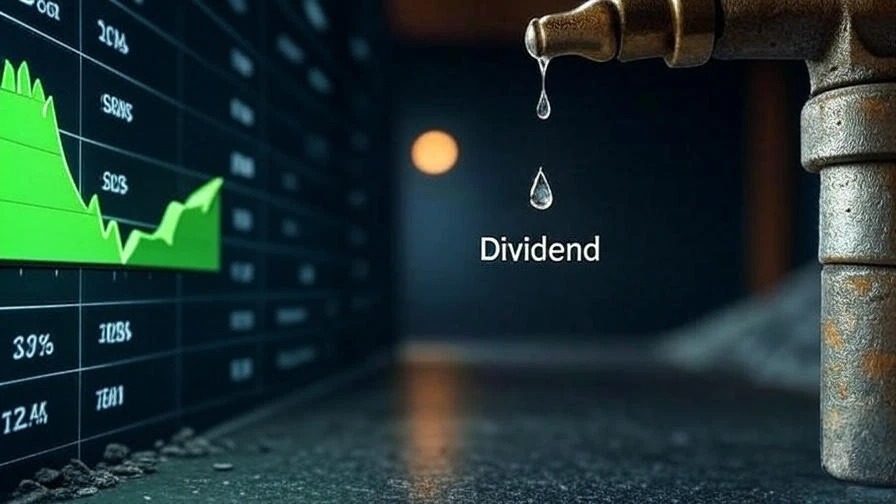
    The Prime Securities Dividend Growth Puzzle

    Now here’s where things get puzzling for anyone tracking Prime Securities dividend growth. Despite the impressive earnings, the dividend history tells a different story.

    The Concerning Trend

    • Dividend decline: An average 3.8% annual decrease over the past four years
    • Historical payout: Dropped from ₹1.75 in 2021 to the current ₹1.50
    • Inconsistent payments: An erratic dividend distribution pattern

    This creates an unusual scenario – rapid earnings growth paired with declining dividend payouts. It’s like a successful restaurant making more money each year but serving smaller portions to its loyal customers.

    What Could This Mean?

    There are two potential explanations for this apparent contradiction:

    1. Scenario 1: Business Uncertainty
      Management might be conserving cash due to underlying business challenges or market volatility concerns, despite the strong reported earnings.
    2. Scenario 2: Strategic Reinvestment
      The company could be intentionally prioritizing aggressive reinvestment over dividend consistency to fuel explosive long-term growth.

    Given the low 13% payout ratio, the second scenario seems more probable, but it’s a critical point for dividend-focused investors to consider.

    The Bright Side for Long-Term Investors

    Despite the dividend inconsistency, there are several compelling reasons to be optimistic about the future of Prime Securities dividend growth.

    Financial Strength Indicators

    • Low payout ratio provides flexibility: At 13%, there is significant room for future dividend increases.
    • Dividend coverage is solid: Both cash flow and earnings comfortably support the current payouts.
    • Projected sustainability: The payout ratio could drop to a mere 8.8% next year if growth continues, making the dividend even more secure.

    Growth Potential

    Companies with this combination of rapid earnings growth and a conservative dividend policy can become tomorrow’s dividend aristocrats. (A dividend aristocrat is a company in the S&P 500 index that has not just paid a dividend but increased its dividend for at least 25 consecutive years. You can read more about them here). The current reinvestment strategy could lead to:

    • Stronger competitive positioning and market share
    • Higher future earnings capacity
    • Eventually, much larger dividend payments

    Red Flags Investors Should Consider

    No investment is without risks, and Prime Securities has clear points of caution.

    Dividend Reliability Concerns

    • Questionable Management Priorities: The declining payment history despite massive earnings growth raises questions about whether management values returning capital to shareholders.
    • Low Current Yield: At 0.6%, it fails to meet the needs of income-focused investors.
    • Inconsistent Policy: The lack of a clear, consistent dividend policy makes future payouts unpredictable.

    Market Warnings

    Our analysis indicates a warning sign related to the company’s dividend track record. The inconsistency is a significant factor that all potential investors must research thoroughly before making a decision. Diligence is key.

    Who Should Consider This Stock?

    Prime Securities appears best suited for specific investor profiles:

    • Growth Investors: If you seek capital appreciation and can tolerate dividend volatility, the 31% earnings growth story is highly compelling.
    • Long-Term Value Seekers: Investors who believe in the reinvestment strategy may see this as an opportunity to buy into a future dividend powerhouse at an early stage.

    This Stock is Not Ideal For:

    • Income-dependent retirees seeking reliable dividend streams.
    • Conservative investors who are uncomfortable with dividend volatility.
    • Anyone requiring immediate high-yield returns.

    The Verdict: A Growth Wolf in Dividend Sheep’s Clothing?

    Prime Securities presents a classic investment dilemma. The company shows excellent financial health with impressive earnings growth. However, its dividend track record suggests this is more of a growth play disguised as a dividend opportunity. The lack of consistent Prime Securities dividend growth is the central issue.

    The upcoming ₹1.50 dividend is a positive sign, but investors should not expect a smooth, upward dividend trajectory in the near term. This is a company prioritizing long-term value creation. For investors comfortable with that trade-off, Prime Securities could be a ground-floor opportunity. However, those seeking reliable income should look elsewhere.


    Disclaimer: This analysis is for informational purposes only and should not be construed as investment advice or a recommendation to buy or sell Prime Securities Limited. All investment decisions should be made based on individual financial circumstances, risk tolerance, and investment objectives. Please consult with a qualified financial advisor before making any investment decisions. Past performance does not guarantee future results, and all investments carry inherent risks including potential loss of principal.

sensextodaylive.com