Blog

  • The Ultimate Guide to 8 Years of GST in India: Success and Challenges Unveiled

    The Ultimate Guide to 8 Years of GST in India: Success and Challenges Unveiled


    Examining the GST India success and challenges after eight years reveals a tale of monumental achievement and persistent hurdles. Eight years ago, India took a bold leap with the Goods and Services Tax (GST), promising to transform the nation’s complex tax landscape into a unified, efficient system. Today, as we examine the numbers and narratives surrounding this ambitious reform, the picture is both impressive and incomplete.

    The Revenue Revolution: Numbers That Speak Volumes

    The most compelling argument for GST’s success lies in its revenue performance. The fiscal year 2024-25 witnessed gross GST collections reaching a record ₹22.08 lakh crore, marking a healthy 9.4% year-on-year growth. This isn’t just a one-off achievement – it represents a consistent upward trajectory that has seen monthly average collections climb from ₹1.2 lakh crore in the early years to over ₹1.8 lakh crore today.

    The tax-to-GDP ratio tells an equally encouraging story, exceeding 6% in six out of seven years since implementation. This consistency demonstrates that GST has evolved from an experimental policy to a reliable fiscal backbone for the nation.

    The Compliance Success Story

    Expanding the Tax Net

    One of GST’s most significant achievements has been broadening India’s tax base. The taxpayer registration count has swelled to over 1.5 crore by March-end, representing a substantial expansion of formal economic participation. This growth reflects not just policy success but a fundamental shift in how businesses engage with the tax system.

    Digital Infrastructure Triumph

    The technological backbone supporting GST deserves special mention. With over 95% return filing consistency maintained for two consecutive years, the digital infrastructure has proven its worth. The e-way bill system (an electronic document required for the movement of goods worth over a certain value, ensuring tax compliance) and electronic invoicing have captured nearly 90% of all transactions, significantly reducing tax evasion while simplifying compliance for legitimate businesses.

    Economic Efficiency Gains: Beyond Revenue Collection

    GST’s impact extends far beyond government coffers. The input tax credit (a system where businesses can claim credit for the GST they paid on inputs, preventing tax on tax) system has eliminated the cascading effect of taxes (a situation where a tax is levied on a price that already includes a tax, leading to an inflated final cost), directly reducing production costs for businesses. This efficiency gain eventually benefits consumers through lower prices and improved product availability.

    To understand this concept in more detail, you can explore this Investopedia article on the cascading effect.

    Logistics Revolution

    The removal of inter-state checkpoints has delivered tangible improvements in logistics efficiency. Transportation time reductions of up to 20% in some sectors have translated into significant cost savings, making Indian businesses more competitive both domestically and internationally. This enhanced efficiency is a crucial factor as Indian conglomerates like Reliance Industries break into the global tech elite and compete on a worldwide stage.

    The Other Side of the Coin: Persistent Challenges

    Despite these achievements, the GST journey hasn’t been without bumps. A balanced view of GST India success and challenges requires looking at the persistent issues that critics and experts continue to highlight.

    The Complexity Conundrum

    Even after eight years of operation, a significant perception persists that GST law remains complex and places considerable compliance burden on taxpayers. This sentiment, echoed by tax experts and former officials, is particularly strong among small and medium-sized enterprises (SMEs). Easing this burden is critical, as the success of ambitious national projects, like the vision for Bengal’s defence manufacturing dream driven by 90 lakh MSMEs, hinges on a simplified and supportive tax environment.

    The Rate Rationalization Puzzle

    Perhaps the most politically sensitive challenge facing GST is rate rationalization. Tax consulting firms and experts have long advocated for merging the 12% and 18% slabs into a unified 15-16% bracket. However, this remains a “political hot potato” because:

    • Any merger would inevitably increase rates for items currently in the 12% bracket.
    • Moving items to the 5% slab would result in significant revenue losses.
    • Neither the Centre nor states are willing to bear the revenue impact.

    Blocked Credits and Procedural Bottlenecks

    The system still grapples with blocked credits and procedural inefficiencies that prevent GST from achieving its originally intended neutrality. These technical issues may seem minor but significantly impact business cash flows and operational efficiency. For more technical details on GST rules, the official Central Board of Indirect Taxes and Customs (CBIC) portal is a valuable resource.

    The Unfinished Business

    Tobacco Taxation Concerns

    A specific area requiring attention is tobacco product taxation. Since GST’s introduction, there have been no significant tax increases on tobacco products, raising concerns among public health experts about missed opportunities to discourage consumption while generating additional revenue.

    What Lies Ahead: The 9th Year Priorities

    As GST enters its ninth year, the roadmap appears clear. Policymakers and tax experts have identified four key priorities:

    • Rate rationalization to create a more logical tax structure
    • Reducing blocked credits to restore system neutrality
    • Broadening the tax base to include more sectors, such as petroleum and electricity. This is particularly relevant as GST policy could significantly impact national goals like advancing India’s EV dreams against China’s magnet monopoly.
    • Removing procedural bottlenecks for smoother operations

    Realistic Expectations

    While dramatic changes like reducing four major slabs to three seem unlikely, incremental improvements are expected. The focus will likely be on refining the existing framework rather than revolutionary changes.

    The Balanced Perspective

    GST’s eight-year journey presents a classic case of a policy that has succeeded in its primary objectives while leaving room for improvement. The revenue growth and compliance improvements are undeniable positives that have strengthened India’s fiscal position.

    However, the persistent complexity concerns and pending rationalization issues suggest that the story of GST India success and challenges is far from complete. The challenge for policymakers is balancing revenue imperatives with the need for simplification – a task that requires both political will and technical expertise.

    Looking Forward

    The continuous rise in collections and expanding taxpayer base indicate that GST has successfully stabilized India’s indirect tax regime. Yet, the loudest voices in tax policy circles continue to call for simplification and rationalization. A stable tax system provides a predictable fiscal environment, which is essential for navigating the strategic shuffles and big money moves on Dalal Street, where foundational economic policies heavily influence investor confidence.

    As India’s economy grows and evolves, so must its tax system. The ninth year of GST will likely be defined by incremental improvements rather than sweeping changes, as policymakers work to fine-tune a system that has proven its fundamental worth while acknowledging areas that need attention.

    The journey of GST India success and challenges exemplifies policy implementation in a complex democracy – achieving significant success while constantly adapting to address legitimate concerns and changing economic realities.


    Disclaimer: This analysis is for informational purposes only and should not be considered as financial, investment, or tax advice. Readers should consult qualified professionals for specific guidance related to their business or investment decisions. The views expressed are based on publicly available information and current policy understanding.


  • Gold Price Drop: 7 Critical Factors Reveal Your Next Ultimate Opportunity

    Gold Price Drop: 7 Critical Factors Reveal Your Next Ultimate Opportunity


    The precious metals market is sending mixed signals as the recent gold price drop creates a major buzz. With gold and silver taking a breather from their recent highs, investors are asking a crucial question: Is this the beginning of a larger correction, or is this the gold price drop opportunity we’ve been waiting for before the next leg up?

    Today’s Price Movement: The Numbers That Matter

    Gold Prices Across Major Cities

    • 24-carat gold: ₹97,410 per 10 grams (down ₹10)
    • 22-carat gold: ₹89,290 per 10 grams (down ₹10)
    • Delhi premium: 24K at ₹97,560, 22K at ₹89,440
    • Mumbai, Kolkata, Chennai: Uniform pricing at ₹97,410 for 24K

    Silver Takes a Bigger Hit

    Silver witnessed a more significant decline, falling ₹100 to ₹1,07,700 per kilogram. However, regional variations persist, with Chennai commanding a premium at ₹1,17,700 per kilogram.

    Global Context: US Markets Echo Indian Trends

    US gold futures aren’t faring better, with spot gold hitting $3,264.64 per ounce – the lowest level since May 29. This global synchronization suggests broader market forces at play rather than India-specific factors.

    The Bears Are Making Their Case: 4 Reasons for Caution

    1. Geopolitical Tensions Cooling Down

    The primary driver behind gold’s recent weakness stems from easing global tensions. The ceasefire agreement between Iran and Israel continues to hold, reducing the immediate need for safe-haven assets—a stark contrast to just a few weeks ago when the same conflict was causing oil prices to soar by 7%.When conflicts de-escalate, gold typically loses its crisis premium.

    2. US-China Trade Relations Improving

    Recent developments in US-China trade relations, particularly agreements on rare earth shipments, have boosted investor confidence in riskier assets. This shift away from defensive positions naturally pressures gold prices, making this gold price drop opportunity seem more like a trap to bearish investors.

    3. Interest Rate Environment Still Challenging

    Despite expectations of Federal Reserve rate cuts totaling 75 basis points in 2025, the current high-interest-rate environment makes non-yielding assets like gold less attractive. When bonds and savings accounts offer decent returns, gold’s opportunity cost increases.

    4. Profit-Taking After a Strong Run

    Market experts suggest that recent price action reflects profit-taking. After significant gains earlier in the year, some investors are booking profits, contributing to the dip. This is consistent with the broader theme of big money moves rocking Dalal Street in a strategic shuffle, where capital flows out of recent winners and into new positions, creating what others see as a potential re-entry opportunity.

    The Bulls Aren’t Giving Up: Why This Could Be a Golden Opportunity

    1. Structural Demand Remains Robust

    Gold recently surpassed the Euro to become the second-largest reserve asset globally. This institutional adoption by central banks worldwide provides a strong floor for prices, supporting the argument for a long-term gold price drop opportunity, regardless of short-term volatility.

    2. Inflation Hedge Still Relevant

    Despite current price weakness, gold’s fundamental role as an inflation hedge remains intact. With global economic uncertainties persisting, the metal’s long-term value proposition hasn’t diminished.

    3. Geopolitical Risks Haven’t Disappeared

    While immediate tensions may have eased, underlying global conflicts and potential flashpoints remain. Any re-escalation could quickly reverse the current downward trend, making today’s prices look like a bargain in hindsight.

    4. Expert Projections Remain Positive

    Industry reports, including Titan’s latest annual assessment, predict that gold prices may remain elevated due to ongoing global macroeconomic uncertainties. This professional outlook suggests the current dip might be a temporary and valuable entry point.

    Technical Analysis: What Charts Are Telling Us

    MCX Futures Paint a Mixed Picture

    • August 2025 gold futures: Closed at ₹97,023 (down 2.44%)
    • July 2025 silver futures: Dropped to ₹1,04,917 (down 1.76%)

    These MCX Futures (standardized, exchange-traded contracts in which the contract buyer agrees to take delivery, from the seller, of a specific quantity of a commodity at a predetermined price on a future delivery date. For more, see the MCX India website) indicate near-term bearish sentiment but also present potential value for contrarian investors.

    Support and Resistance Levels

    Current price levels are testing important technical support zones. A decisive break below could trigger further selling, while a bounce from these levels might signal a reversal and confirm this as a prime gold price drop opportunity.

    Investment Implications: How to Approach This Market

    For Conservative Investors

    The current environment offers a dilemma. Lower prices provide better entry points, but the uncertainty makes lump-sum investments risky. Systematic Investment Plans (SIPs) in gold (a method of investing where you contribute a fixed amount of money at regular intervals, which helps in averaging out the purchase cost over time. Learn more about SIPs at Investopedia) might be the most prudent approach.

    For Active Traders

    The volatility presents both opportunities and risks. Short-term traders might find profitable swings, but the unpredictable nature of geopolitical developments makes position sizing crucial.

    For Long-term Wealth Builders

    Historical data suggests precious metals perform well during economic uncertainty. Current weakness can be viewed as an accumulation phase for patient investors who believe in gold’s long-term value.

    The Verdict: Opportunity or Trap?

    The current precious metals landscape reflects a classic investment paradox. Prices are falling precisely when some of the long-term bullish arguments remain strongest. This disconnect between short-term price action and fundamental drivers is often where the best investment opportunities are born.

    Whether this is a trap or a true gold price drop opportunity depends on your individual risk tolerance, investment horizon, and financial goals. This ‘opportunity vs. trap’ scenario isn’t unique to precious metals; we recently analyzed a similar dynamic in our breakdown of whether the MMTC stock surge was a hidden gem or a dangerous trap for investors.


    Important Disclaimer: This analysis is for informational purposes only and should not be construed as investment advice or a recommendation to buy or sell precious metals. Precious metals markets are subject to high volatility, and past performance does not guarantee future results. Investors should conduct their own research and consult with qualified financial advisors before making investment decisions. The prices and trends discussed represent a snapshot in time and may change rapidly based on market conditions.

  • The Ultimate Guide to the HPE Juniper AI Breakup: What Investors MUST Know

    The Ultimate Guide to the HPE Juniper AI Breakup: What Investors MUST Know

    The HPE Juniper AI Breakup is sending shockwaves through the tech world, marking an unprecedented move forced by the U.S. government. When Hewlett Packard Enterprise (HPE) acquired Juniper Networks, the Department of Justice (DOJ) didn’t just approve the deal—they completely rewrote the rules of how tech mergers work. This has created a domino effect that could reshape the entire artificial intelligence for IT operations landscape (AIOps – the practice of using AI to automate and streamline IT operations).

    This isn’t your typical corporate acquisition story. The DOJ has forced HPE into what might be the most unusual divestiture arrangement in tech history.

    The Government’s Shocking Move: Creating a Competitor from Scratch

    The DOJ didn’t just rubber-stamp this multi-billion dollar deal. Instead, they’ve imposed conditions that read more like a tech thriller than a regulatory filing.

    Here’s what HPE must do:

    • Sell off Juniper’s AI for Mist source code within 180 days.
    • Transfer 55 specific Juniper employees to the buyer.
    • Provide ongoing support to their new competitor.
    • Give the government final approval rights over who can buy the technology.

    This level of regulatory intervention is almost unheard of, signaling a new era where the government is willing to create new competitors from scratch to ensure market health.

    The Forced Auction That Changes Everything

    HPE has been given a tight deadline—180 days—to auction off some of Juniper’s most valuable AI technology. But this isn’t a typical auction where the highest bidder wins.

    The unique auction structure:

    • Only bidders “acceptable to the United States” can participate.
    • A maximum of two entities will receive licenses.
    • Winners are chosen based on the “totality of the bid,” not just price.
    • The government will monitor the process every 30 days until completion.

    This selective process shows the DOJ’s determination to create meaningful competition, not just transfer assets from one giant to another.

    The Human Capital Transfer: A Team in a Box

    Perhaps the most striking aspect of this HPE Juniper AI Breakup is the mandated employee transfer. HPE must actively encourage 55 specific Juniper employees to join the auction winner.

    The employee breakdown:

    • 30 engineers intimately familiar with the Mist AIOps technology.
    • 25 sales professionals who understand the market and customers.
    • Financial incentives provided by HPE to facilitate the move.
    • A strict restriction on the buyer from poaching additional Juniper staff.

    This ensures the new competitor gets both the technology and the human expertise needed to compete effectively from day one.

    HPE’s Impossible Task: Nurturing Its Own Competitor

    While HPE keeps the core Mist brand and platform, they are required to support their new competitor in ways that seem almost contradictory to normal business logic.

    HPE’s ongoing obligations include:

    • Knowledge transfer assistance to the buyer.
    • Software updates and engineering support.
    • Bug fixes for the divested AIOps code.
    • Introductions to crucial hardware manufacturers and distributors.
    • Maintaining the AIOps product as a viable, high-quality offering until the sale is complete.

    This creates a bizarre scenario where a company must nurture a competitor born directly from its own strategic acquisition.

    The Positive Impact on the Industry

    This aggressive regulatory intervention could deliver significant benefits to the broader tech ecosystem.

    • Competition gets a major boost. By creating new, viable players with proven technology and experienced teams, the AIOps market avoids dangerous concentration. This directly benefits businesses looking for innovative networking solutions. (Learn more about the importance of competition in tech from the Electronic Frontier Foundation).
    • Innovation accelerates rapidly. With multiple entities working from the same powerful source code base, more resources will be focused on advancing AIOps capabilities. End-users should see faster feature development and better solutions.
    • Market opportunities expand. Companies previously locked out of the advanced AIOps space now have a chance to acquire a proven solution with built-in operational support, potentially disrupting the market hierarchy.

    The Challenges and Risks Ahead

    However, this unprecedented approach is not without significant complications.

    • HPE faces operational headaches. Managing this complex divestiture while providing ongoing support to future competitors adds substantial overhead. The company must balance supporting a rival while fiercely protecting its own competitive interests.
    • Integration challenges await winners. While buyers get valuable technology and talent, absorbing 55 new employees and integrating an unfamiliar AI system into existing operations is a monumental task.
    • Employee uncertainty creates instability. The 55 Juniper employees face potential upheaval. Despite financial incentives, this uncertainty could impact morale, productivity, and retention.
    • Market confusion may increase. Multiple versions of what was originally a unified technology, now without the established Mist brand, could confuse customers and fragment the market in unexpected ways.

    What This Means for Investors

    This HPE Juniper AI Breakup signals a fundamental shift in how regulators view big tech mergers.

    • Technology stocks face new scrutiny. Companies planning major acquisitions, especially in AI, should expect similar regulatory intervention. This could impact deal valuations, timelines, and shareholder confidence. (For context on how these deals are scrutinized, see ongoing analysis from the U.S. Department of Justice’s Antitrust Division).
    • New investment opportunities emerge. The forced auction creates unique, government-vetted investment targets for companies or private equity firms looking to enter the lucrative AIOps space.
    • Competitive dynamics will shift. Established players may lose market share as regulators actively create new, well-equipped competitors, potentially compressing margins across the industry.

    The Broader Implications: A New Blueprint for Regulation

    This HPE-Juniper deal is more than just one merger—it’s a blueprint for future regulatory action.

    The government’s willingness to mandate employee transfers, ongoing support, and selective buyer approval suggests antitrust enforcement is evolving rapidly. For the AIOps industry specifically, this intervention could spark a wave of innovation. The ultimate test will be whether the competitors created by this HPE Juniper AI Breakup can successfully challenge the established giants.

    Looking Ahead

    The success of this regulatory experiment will undoubtedly influence how future tech mergers are structured. If the new AIOps competitors thrive, expect similar conditions in other strategic technology acquisitions. The tech industry has entered a new era where growth through acquisition faces unprecedented regulatory creativity. This deal may well be remembered as the moment everything changed.


    Disclaimer: This analysis is for informational purposes only and should not be considered investment advice. The technology sector involves significant risks, and regulatory changes can materially affect company valuations. Readers should conduct their own research and consult with qualified financial advisors before making investment decisions.

  • Prime Securities Dividend Growth: A 31% Earnings Puzzle for Investors?

    Prime Securities Dividend Growth: A 31% Earnings Puzzle for Investors?


    The puzzle around Prime Securities dividend growth is a classic curveball for Indian stock market investors. Prime Securities Limited (NSE:PRIMESECU) is serving up a perfect example, creating quite the buzz with its ex-dividend date approaching on June 26th – but not for the reasons you might expect.

    The Immediate Opportunity: Ex-Dividend Alert

    If you’re eyeing that upcoming dividend, here’s what you need to know about this stock that’s confusing the market about its Prime Securities dividend growth prospects.

    • Ex-dividend date: June 26th (The cutoff date for an investor to own a stock to be eligible for the upcoming dividend payment. If you buy the stock on or after this date, you will not receive the dividend.)
    • Dividend amount: ₹1.50 per share (increased from last year)
    • Payment date: August 2nd
    • Current stock price: ₹259.34

    To receive this dividend, you must own the stock before the ex-dividend date of June 26th. While the ₹1.50 payout is an incre from the previous year, the yield is a modest 0.6% – hardly the stuff that gets income investors excited.

    The Growth Story That’s Hard to Ignore

    Here’s where the story of Prime Securities gets interesting. The company has been on an absolute tear when it comes to earnings growth.


    Stellar Financial Performance

    The numbers speak for themselves:

    • 31% annual earnings growth over the past five years
    • 30.8% projected EPS growth for the next 12 months
    • 13% payout ratio – incredibly conservative for any standard. (The payout ratio is the percentage of a company’s earnings that it pays out to shareholders as dividends. A low ratio indicates the company is retaining most of its profits. For a deeper dive, you can learn more about the Payout Ratio on Investopedia.)

    This kind of earnings trajectory signals a company hitting its stride. When a business can consistently grow earnings at 31% annually, it suggests strong operations and market positioning.

    The Reinvestment Story

    With a payout ratio of just 13%, Prime Securities is clearly prioritizing reinvestment over immediate dividend distributions. This approach often creates significant long-term value as companies channel profits back into:

    • Business expansion initiatives
    • Technology upgrades and innovation
    • Market share acquisition
    • Strengthening the balance sheet

    For growth-oriented investors, this strategy often pays dividends (pun intended) through capital appreciation down the line.

    The Prime Securities Dividend Growth Puzzle

    Now here’s where things get puzzling for anyone tracking Prime Securities dividend growth. Despite the impressive earnings, the dividend history tells a different story.

    The Concerning Trend

    • Dividend decline: An average 3.8% annual decrease over the past four years
    • Historical payout: Dropped from ₹1.75 in 2021 to the current ₹1.50
    • Inconsistent payments: An erratic dividend distribution pattern

    This creates an unusual scenario – rapid earnings growth paired with declining dividend payouts. It’s like a successful restaurant making more money each year but serving smaller portions to its loyal customers.

    What Could This Mean?

    There are two potential explanations for this apparent contradiction:

    1. Scenario 1: Business Uncertainty
      Management might be conserving cash due to underlying business challenges or market volatility concerns, despite the strong reported earnings.
    2. Scenario 2: Strategic Reinvestment
      The company could be intentionally prioritizing aggressive reinvestment over dividend consistency to fuel explosive long-term growth.

    Given the low 13% payout ratio, the second scenario seems more probable, but it’s a critical point for dividend-focused investors to consider.

    The Bright Side for Long-Term Investors

    Despite the dividend inconsistency, there are several compelling reasons to be optimistic about the future of Prime Securities dividend growth.

    Financial Strength Indicators

    • Low payout ratio provides flexibility: At 13%, there is significant room for future dividend increases.
    • Dividend coverage is solid: Both cash flow and earnings comfortably support the current payouts.
    • Projected sustainability: The payout ratio could drop to a mere 8.8% next year if growth continues, making the dividend even more secure.

    Growth Potential

    Companies with this combination of rapid earnings growth and a conservative dividend policy can become tomorrow’s dividend aristocrats. (A dividend aristocrat is a company in the S&P 500 index that has not just paid a dividend but increased its dividend for at least 25 consecutive years. You can read more about them here). The current reinvestment strategy could lead to:

    • Stronger competitive positioning and market share
    • Higher future earnings capacity
    • Eventually, much larger dividend payments

    Red Flags Investors Should Consider

    No investment is without risks, and Prime Securities has clear points of caution.

    Dividend Reliability Concerns

    • Questionable Management Priorities: The declining payment history despite massive earnings growth raises questions about whether management values returning capital to shareholders.
    • Low Current Yield: At 0.6%, it fails to meet the needs of income-focused investors.
    • Inconsistent Policy: The lack of a clear, consistent dividend policy makes future payouts unpredictable.

    Market Warnings

    Our analysis indicates a warning sign related to the company’s dividend track record. The inconsistency is a significant factor that all potential investors must research thoroughly before making a decision. Diligence is key.

    Who Should Consider This Stock?

    Prime Securities appears best suited for specific investor profiles:

    • Growth Investors: If you seek capital appreciation and can tolerate dividend volatility, the 31% earnings growth story is highly compelling.
    • Long-Term Value Seekers: Investors who believe in the reinvestment strategy may see this as an opportunity to buy into a future dividend powerhouse at an early stage.

    This Stock is Not Ideal For:

    • Income-dependent retirees seeking reliable dividend streams.
    • Conservative investors who are uncomfortable with dividend volatility.
    • Anyone requiring immediate high-yield returns.

    The Verdict: A Growth Wolf in Dividend Sheep’s Clothing?

    Prime Securities presents a classic investment dilemma. The company shows excellent financial health with impressive earnings growth. However, its dividend track record suggests this is more of a growth play disguised as a dividend opportunity. The lack of consistent Prime Securities dividend growth is the central issue.

    The upcoming ₹1.50 dividend is a positive sign, but investors should not expect a smooth, upward dividend trajectory in the near term. This is a company prioritizing long-term value creation. For investors comfortable with that trade-off, Prime Securities could be a ground-floor opportunity. However, those seeking reliable income should look elsewhere.


    Disclaimer: This analysis is for informational purposes only and should not be construed as investment advice or a recommendation to buy or sell Prime Securities Limited. All investment decisions should be made based on individual financial circumstances, risk tolerance, and investment objectives. Please consult with a qualified financial advisor before making any investment decisions. Past performance does not guarantee future results, and all investments carry inherent risks including potential loss of principal.

  • Hindalco Specialty Alumina Bet: Analysing The $125M AluChem Aqcuisition

    Hindalco Specialty Alumina Bet: Analysing The $125M AluChem Aqcuisition

    Hindalco’s major play in the Hindalco specialty alumina sector is turning heads. The Indian metals giant’s recent $125 million acquisition of US-based AluChem isn’t just another corporate deal—it’s a calculated move to dominate the high-tech materials space. But is this strategic masterstroke worth your attention as an investor?

    This move represents more than just another corporate deal – it’s a calculated step in Hindalco’s global expansion playbook that could reshape its future in high-tech materials, with Hindalco specialty alumina at the very core of this transformation.

    The Deal Breakdown: Hindalco’s $125M Specialty Alumina Purchase

    Acquisition Details:

    • Target Company: AluChem Companies Inc., a specialty alumina manufacturer based in the US
    • Deal Value: $125 million (approximately ₹1,074 crores)
    • Execution: Through Aditya Holdings, Hindalco’s wholly-owned subsidiary
    • Strategic Focus: Expanding presence in the North American specialty alumina market

    This marks Hindalco’s third major US acquisition, following the landmark Novelis Inc. takeover in 2007 and the Aleris Corp. acquisition in 2020. The pattern is clear – systematic expansion into high-value American markets, with a new focus on advanced materials.

    Why AluChem? The Logic Behind Hindalco’s Specialty Alumina Strategy

    AluChem’s Key Assets:

    • Annual production capacity of 60,000 tonnes
    • Three advanced manufacturing facilities in Ohio and Arkansas
    • Specializes in ultra-low soda calcined alumina and tabular alumina
    • Strong North American market presence

    AluChem produces specialty materials known for exceptional thermal and mechanical stability. These products are crucial for high-precision applications and energy-intensive industrial refractories (materials designed to withstand extremely high temperatures in furnaces and kilns). This acquisition directly boosts Hindalco’s specialty alumina capabilities.

    Kumar Mangalam Birla, Chairman of Aditya Birla Group, emphasized the acquisition’s importance: “This is an important step in our global strategy to build leadership in value-added, high-tech materials.”

    What is Specialty Alumina? The High-Tech Material in Focus

    Before diving deeper, let’s understand what makes specialty alumina so valuable.

    Specialty alumina is highly purified aluminum oxide (Al₂O₃) manufactured through advanced processes. Unlike regular alumina, it offers superior purity, enhanced strength, and excellent chemical stability.

    Key Applications Include:

    • Electronics: Critical for semiconductors and electronic components
    • Aerospace: Lightweight, durable materials for aircraft manufacturing
    • Electric Vehicles: Essential for EV batteries and components
    • Medical: Used in artificial bones and dental products
    • Ceramics: Heat-resistant ceramic products
    • Advanced Coatings: High-performance industrial applications

    For detailed insights into specialty alumina applications, industry reports from Grand View Research provide comprehensive market analysis.

    Hindalco’s Growing Ambition in Specialty Alumina

    The company isn’t a newcomer to the specialty alumina market:

    Current Position:

    • 500,000 tonnes annual specialty alumina capacity in India
    • AluChem adds another 60,000 tonnes
    • Plans to expand Indian capacity to 1 million tonnes by FY30

    This aggressive expansion timeline shows that Hindalco sees significant growth potential in the specialty alumina segment, particularly as global demand for clean-tech and critical materials accelerates.

    The Upside: Potential Rewards of the Hindalco Specialty Alumina Push

    Strategic Advantages:

    • Market Diversification: Entry into high-margin, specialized products
    • Geographic Expansion: A strong manufacturing base in North America
    • Innovation Enhancement: Access to AluChem’s advanced chemistry capabilities
    • Synergy Potential: Integrating with existing Indian operations could create powerful efficiencies for the entire Hindalco specialty alumina vertical.

    The specialty alumina market is projected for substantial growth, driven by expanding electronics, aerospace, and EV sectors. For comprehensive market forecasts, Allied Market Research offers detailed industry projections.

    Satish Pai, Hindalco’s Managing Director, highlighted that AluChem’s capabilities will significantly enhance the company’s ability to serve fast-evolving markets – a crucial advantage in today’s rapidly changing industrial landscape.

    The Flip Side: Potential Challenges and Risks

    No major acquisition comes without risks, and this deal has several considerations:

    Integration Challenges:

    • Merging US operations with Indian parent company systems
    • Cultural and operational differences between organizations
    • Potential disruption during the transition period

    Market Dynamics:

    • A highly competitive specialty alumina market
    • Dependence on key industries like electronics and aerospace
    • Economic cycles affecting industrial demand

    Financial Considerations:

    • $125 million represents significant capital deployment
    • Return on investment timeline uncertain
    • Integration costs could add to initial outlay

    Regulatory and Trade Factors:

    • US-India trade relations could impact operations
    • Environmental regulations in manufacturing
    • Potential supply chain complexities

    Financial Context: Can Hindalco Afford This Bet?

    Hindalco’s recent financial performance provides context for this acquisition:

    The company reported a robust 66% year-on-year increase in consolidated net profit to ₹5,283 crores for the March quarter, indicating strong financial health to support this investment in the specialty alumina sector.

    However, investors should monitor how this acquisition affects:

    • Debt-to-equity ratios
    • Cash flow allocation
    • Return on capital employed
    • Overall profitability margins

    What This Means for Different Stakeholders

    For Investors:

    • Potential for higher-margin business growth
    • Diversification into technology-driven sectors
    • Exposure to North American market dynamics
    • Long-term value creation vs. short-term earnings impact from the Hindalco specialty alumina strategy

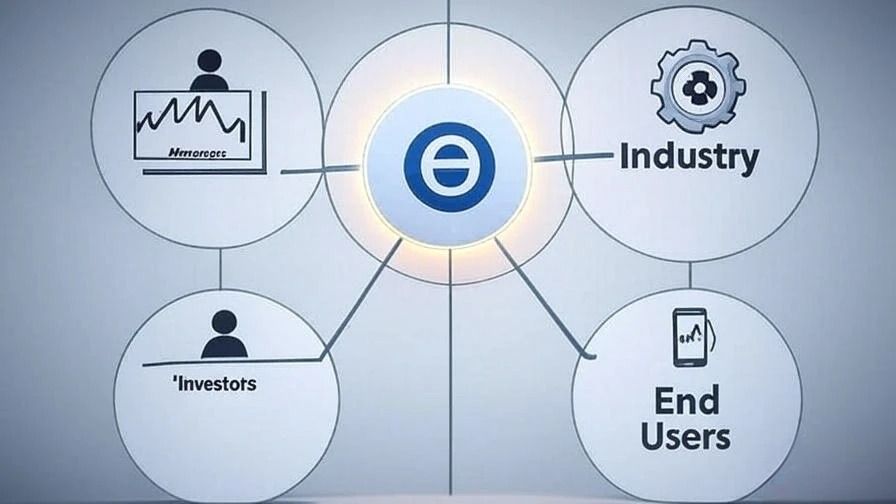
    For the Industry:

    • Increased competition in the specialty alumina space
    • Potential for innovation acceleration
    • Global supply chain diversification

    For End Users:

    • More reliable specialty alumina supply
    • Potential for cost optimization
    • Enhanced product development capabilities

    The Verdict: Strategic Vision Meets Market Reality

    This acquisition represents Hindalco’s clear commitment to transitioning from traditional metals to high-tech materials. The company is betting on sectors like electronics, aerospace, and electric vehicles to drive future growth, with specialty alumina as a key enabler.

    The strategic logic is sound: secure a foothold in the lucrative North American market while building capabilities for tomorrow’s industries. However, execution will determine success.

    Key Success Factors:

    • Smooth integration of AluChem operations
    • Effective utilization of combined capabilities
    • Market share growth in target segments
    • Achievement of planned synergies

    Investment Perspective: Proceed with Informed Caution

    While Hindalco’s strategic direction appears promising, investors should approach with balanced expectations:

    Positive Factors:

    • Strong financial backing for the acquisition
    • Clear long-term growth strategy for the Hindalco specialty alumina business
    • Entry into high-margin markets
    • Established track record of US acquisitions

    Risk Factors:

    • Integration execution challenges
    • Market competition intensity
    • Economic cycle dependencies
    • Return timeline uncertainty

    Disclaimer: This analysis is for informational purposes only and should not be construed as investment advice. The specialty alumina market involves significant risks including economic cycles, technological changes, and competitive pressures. Investors should conduct thorough research and consult financial professionals before making investment decisions. Past performance does not guarantee future results, and all investments carry risk of loss.


  • Reviving the Whitehorse Copper Belt: Yukon’s Billion-Dollar Bet on Copper

    Reviving the Whitehorse Copper Belt: Yukon’s Billion-Dollar Bet on Copper


    A tragic cycling accident has united a community, while beneath their feet, the Whitehorse Copper Belt holds a resource that could reshape their economic future.

    The story of Whitehorse, nestled in Canada’s Yukon Territory, reads like a tale of two cities. Above ground, a tight-knit community grapples with road safety after tragedy. Below ground, the historic Whitehorse Copper Belt lies waiting—a potential treasure trove that could transform this northern outpost into a critical player in the global green energy revolution.

    When Tragedy Sparks Change

    The rain couldn’t dampen the spirits of over 300 cyclists who gathered on June 16, 2025, for an extraordinary memorial ride. They weren’t celebrating a victory or marking a milestone – they were honoring Joseph Morrison, a beloved teacher whose life was cut short in a hit-and-run accident that shook the entire community.

    Morrison’s death in June 2024 near Rabbit’s Foot Canyon became a rallying cry for safer active transportation in a city where cycling is a way of life. The memorial ride, starting from Holy Family Elementary School where Morrison taught, transformed grief into advocacy as hundreds pedaled along the same Alaska Highway where their friend lost his life.

    The community’s pain deepened when Adam Lougheed pleaded guilty to charges including dangerous driving causing death. The senseless nature of the tragedy underscored the vulnerability that haunts Whitehorse’s active transportation community. Adding to this, renowned para-athlete Darryl Tait was struck while hand-cycling on the same highway just weeks before the memorial ride. His words – “we’re quite vulnerable out there” – echo the fears of countless cyclists.

    The Underground Fortune: Reviving the Whitehorse Copper Belt

    While the community advocates for safer streets, a different kind of movement is stirring beneath the surface. The Whitehorse Copper Belt, a 30-kilometer arc of mineral-rich terrain wrapping around the city’s western edge, is experiencing its most significant revival since operations ceased in 1982.

    A History of Boom and Bust

    This isn’t the region’s first dance with copper wealth. The area first shipped copper around 1900 from mines like Copper King. The second act began in 1967 when Whitehorse Copper launched an operation that employed a significant portion of the town’s population. By 1972, unexpected gold discoveries boosted its value. However, the curtain fell in 1982 amid economic recession. For over four decades, the potential of the Whitehorse Copper Belt lay dormant.

    Green Energy’s Hunger and the Whitehorse Copper Belt

    Today’s revival has a new catalyst: the global race toward electrification. Electric vehicles, renewable energy infrastructure, and power grids have an insatiable appetite for copper, which is now designated as a critical mineral in Canada.

    Enter Gladiator Metals, the company betting big on the Whitehorse Copper Belt’s potential. Since 2023, they have launched an extensive exploration program using modern techniques:

    • Re-examination of historical drill cores
    • New diamond drilling
    • Aerial remote sensing and advanced computer modeling

    Their focus on historic sites like Cowley Park and Little Chief mine, viewed through the lens of 21st-century technology, could unlock immense value. With copper prices soaring, a successful operation could transform Whitehorse’s economy.

    The Road Ahead: Balancing Opportunity and Responsibility

    Whitehorse stands at a fascinating crossroads. The community demanding safer cycling infrastructure could soon manage the complexities of renewed mining. The economic potential is undeniable, promising high-paying jobs and tax revenue.

    However, modern mining faces intense scrutiny. Gladiator Metals’ application for exploration is under review by the Yukon Environmental and Socio-economic Assessment Board (YESAB), the first step in a lengthy process that requires robust environmental and community consultation. This process is vital for any project within the Whitehorse Copper Belt to succeed sustainably.

    A Tale of Two Futures: Resilience is the Common Ground

    Whether discussing cycling safety or the Whitehorse Copper Belt, this community demonstrates remarkable resilience. The spirit that turned tragedy into advocacy will be invaluable in navigating mining’s return.

    The Whitehorse Copper Belt may contain the riches to reshape a city, but the real treasure is the community’s ability to face challenges head-on. As global markets hunger for critical minerals and communities demand sustainable development, Whitehorse’s story is a powerful example of the balance between progress and people.


    Disclaimer: This analysis is for informational purposes only and should not be construed as investment advice or a recommendation to buy or sell any securities or commodities. Mining operations involve significant risks including regulatory, environmental, technical, and market uncertainties. Feasibility depends on numerous factors including exploration results, commodity prices, regulatory approvals, and market conditions. Readers should conduct their own research and consult with qualified professionals before making investment decisions.

  • Nestle India Bonus Issue: Golden Opportunity or Market Trap?

    Nestle India Bonus Issue: Golden Opportunity or Market Trap?

    The stock market India is witnessing one of its most anticipated corporate announcements of the year. The buzz surrounds the potential Nestle India bonus issue, a move the FMCG powerhouse behind brands like Maggi and KitKat is set to consider for the first time in nearly three decades. The board meeting scheduled for June 26, 2025, to discuss the Nestle bonus 2025, has already sent ripples through Dalal Street, causing the Nestle India share price to gain 2% following the announcement.

    But here’s the million-rupee question: Is this bonus issue a genuine reward for loyal shareholders, or just another corporate move that sounds better than it actually is for this leading FMCG stock 2025?

    What Makes This Bonus Issue Special?

    Nestle India’s last bonus issue dates back to 1996 – a staggering 29-year gap that makes this announcement historically significant. For context, when the company last issued bonus shares at a 1:2 ratio, many of today’s retail investors weren’t even born, and the landscape of the stock market India looked vastly different.

    The upcoming board meeting has created a buzz that’s hard to ignore. The trading window was strategically closed from June 19 to June 28, 2025, indicating the company’s serious intent regarding the Nestle bonus 2025. With shares carrying a face value of Re 1, investors are eagerly waiting to learn the bonus ratio that could potentially reshape their holdings.

    The Bonus Reality Check: What Actually Happens

    Let’s cut through the excitement and understand the mechanics. When a company announces a Nestle India bonus issue, it’s essentially splitting your existing shares into more pieces of a smaller pie. If Nestle declares a 1:1 bonus and the Nestle India share price is Rs 200 before the ex-bonus date, expect it to adjust to around Rs 100 the next day.

    The math is simple: you get double the shares, but each share is worth half the price. Your portfolio value remains the same immediately after the adjustment. The real benefit lies in improved liquidity and the psychological comfort of owning more shares at a lower price point.

    The Bright Side: Why This Could Be Good News

    Nestle India’s decision to consider a bonus issue after 29 years signals strong management confidence. The company has solid fundamentals to back this move:

    Strong Market Position: With over 60% market share in the noodles segment, Nestle India dominates one of the fastest-growing FMCG categories. India represents the largest noodles market for the global Nestle group, providing significant leverage.

    Expansion Drive: The company is investing Rs 9 billion in a new Odisha factory, focusing on prepared dishes and cooking aids. This expansion demonstrates management’s commitment to long-term growth.

    Rural Strategy: The “RUrban” initiative has reached 27,730 distribution touchpoints across 208,500 villages. This rural penetration strategy positions the company well for India’s consumption growth story.

    Diversification Success: Recent entry into petcare through Purina acquisition and focus on premium, healthier products shows strategic evolution beyond traditional categories.

    Financial Stability: Despite Q4 FY25 challenges, the company maintained strong ROE (80-117%) and ROCE (110-161%) over the past five years, indicating efficient capital utilization.

    The Dark Clouds: Challenges Investors Can’t Ignore

    However, not everything is rosy in Nestle India’s world:

    Declining Profitability: Q4 FY25 saw net profit drop 5.2% to Rs 8.85 billion despite revenue growth of 4.5%. This trend raises questions about operational efficiency.

    Input Cost Inflation: Rising prices of coffee, cocoa, edible oils, and milk are squeezing margins. The company has been forced to implement small price hikes, which could impact volume growth in price-sensitive markets.

    Stock Performance Concerns: The stock has declined nearly 7% over the past year, underperforming the broader market. Trading between a 52-week high of Rs 2,777 and low of Rs 2,115 shows significant volatility.

    Intense Competition: The FMCG space is becoming increasingly competitive, with new players and changing consumer preferences putting pressure on traditional brands.

    Export Challenges: While expanding to new markets like Maldives and Papua New Guinea, the company saw declines in North America, indicating mixed international performance.

    The Verdict: Proceed with Caution

    A bonus issue after 29 years is undoubtedly newsworthy, but smart investors should look beyond the headlines. Nestle India remains a fundamentally strong company with dominant market positions and strategic growth initiatives. The rural expansion, new factory investments, and diversification efforts show management’s forward-thinking approach.

    However, the recent decline in profitability, rising input costs, and stock underperformance cannot be ignored. The bonus issue might provide short-term excitement and improved liquidity, but it doesn’t address these underlying challenges.

    What Should Investors Do?

    For existing shareholders, this bonus issue represents additional shares in a quality company, though at proportionally adjusted prices. Long-term investors with faith in India’s consumption story and Nestle’s brand strength might view this positively.

    New investors should focus on the company’s ability to navigate current challenges rather than getting swayed by bonus announcements. Wait for the June 26 board meeting to understand the exact ratio, then evaluate whether the adjusted price levels offer attractive entry points.

    The key lies in understanding that while bonus issues can be positive signals, they’re not automatic wealth creators. The real value comes from the company’s ability to grow earnings, expand market share, and deliver consistent returns to shareholders.

    Final Word

    Nestle India’s bonus consideration after 29 years marks a significant corporate milestone. While the move demonstrates management confidence and could improve stock liquidity, investors must evaluate the company’s operational performance and growth prospects rather than getting carried away by bonus euphoria.

    The June 26 announcement will reveal the bonus ratio, but the more important question remains: Can Nestle India overcome its current challenges and deliver sustainable growth in an increasingly competitive market?


    Disclaimer: This analysis is for informational purposes only and should not be considered as investment advice or a recommendation to buy or sell. Stock investments are subject to market risks, and past performance doesn’t guarantee future results. Please consult with a qualified financial advisor and conduct your own research before making investment decisions.

  • Polycab Stock Soars 5%: Will Jefferies’ ₹7,150 Target Spark a 19% Rally or Signal a Market Top

    Polycab Stock Soars 5%: Will Jefferies’ ₹7,150 Target Spark a 19% Rally or Signal a Market Top

    The stock market loves a good comeback story, and Polycab India is delivering just that. After a turbulent start to 2025, the electrical goods giant surged nearly 5% on Monday, catching the attention of investors who’ve been nursing losses from the stock’s 14% year-to-date decline. But here’s the twist – global brokerage Jefferies sees this as just the beginning, slapping a bullish ₹7,150 target that implies a mouth-watering 19% upside.

    In recent news, Polycab Stock soars 5%, prompting discussions about its future trajectory.

    The question keeping market veterans awake: Is this the start of a major breakout, or are we witnessing another false dawn in a volatile midcap story?

    The Jefferies Bet: Why They’re Doubling Down

    When a respected brokerage like Jefferies reiterates a “buy” rating with such conviction, it’s worth dissecting their thesis. Their ₹7,150 target isn’t pulled from thin air – it’s built on some compelling fundamentals that deserve serious attention.

    The most striking aspect of Polycab’s story is its market dominance. The company has transformed from holding an 18% share of the organised cables and wires segment in 2020 to commanding a hefty 26-27% in FY25. This isn’t just organic growth – it’s strategic conquest, backed by a massive ₹2,800 crore capital expenditure over four years.

    Think about it: in a market where gaining even 1-2% share is considered significant, Polycab has added nearly 9 percentage points. That’s the kind of market grab that usually comes with serious execution capabilities and deep pockets – both of which Polycab seems to possess.

    The numbers tell an impressive story. The cables and wires segment has delivered a 26% CAGR, turning Polycab into India’s largest wire and cable manufacturer. But what’s particularly encouraging is that this growth isn’t coming at the expense of profitability – a common pitfall for aggressive expansion stories.

    The FMEG Turnaround: From Pain Point to Profit Center

    Perhaps the most underappreciated aspect of Polycab’s story is the turnaround in its Fast Moving Electrical Goods (FMEG) segment. After ten quarters of losses, this division has finally turned profitable. While it contributes only 10% to total sales, its significance goes beyond the numbers.

    The FMEG profitability signals two crucial things: management’s ability to fix broken segments and the company’s successful diversification beyond its core cables business. In an industry where companies often struggle to expand beyond their comfort zones, Polycab seems to have cracked the code.

    Jefferies expects improved FMEG margins going forward, which could provide additional earnings leverage. When a segment moves from loss-making to profitable, every incremental rupee of revenue drops significantly to the bottom line.

    The Numbers Game: Ambitious Targets Ahead

    Jefferies’ optimism isn’t just about the present – they’re projecting a stellar earnings trajectory. Their forecast of FY25-28 EPS CAGR exceeding 26% is aggressive by any standard. This growth is expected to be fueled by a robust order book, including major projects like Bharat Net, and the aforementioned FMEG margin improvements.

    The brokerage has even raised its FY27-28 EPS estimates by 2.4%, suggesting growing confidence in the company’s execution capabilities. Such upward revisions, especially for outer years, typically indicate strong conviction in the underlying business model.

    Polycab’s own management seems equally optimistic, projecting cables and wires business to grow 1.5 times the market rate in core segments, while FMEG could grow 1.5-2 times market pace. They’re targeting EBITDA margins of 11-13% for cables and wires, and 8-10% for FMEG – healthy targets that suggest disciplined growth.

    The Investment Spree: ₹6,000-8,000 Crore Bet on Future

    Perhaps the most telling sign of management confidence is their planned capex of ₹6,000-8,000 crore. This isn’t maintenance spending – it’s a massive bet on India’s electrical infrastructure growth story. The company also aims for exports to exceed 10% of sales and expects dividend payouts to cross 30%.

    Such ambitious plans require significant capital allocation skills and market conviction. The fact that management is comfortable committing such large sums suggests they see sustainable demand trends ahead.

    The Flip Side: Why Caution May Be Warranted

    However, not everything in Polycab’s story sparkles. The stock’s high volatility (beta of 1.12) means it moves more dramatically than the broader market – both up and down. While it has zoomed 202% over three years, the 14% decline in 2025 shows how quickly sentiment can turn.

    The valuation concern is real. Trading at 34 times FY26 earnings estimates, Polycab isn’t exactly cheap. While this is only 4% above its five-year average, any disappointment in execution could lead to significant multiple compression.

    External risks loom large. A slowdown in housing or private capex could dent demand. Copper price volatility remains a persistent headwind, given its importance as a raw material. The FMEG segment, despite its recent turnaround, needs to prove its sustainability.

    Competition is intensifying, and while Jefferies doesn’t see immediate threats, long-term growth concerns could emerge. In the electrical goods space, competition often comes from unexpected quarters – technology disruptions, new business models, or aggressive pricing by well-funded entrants.

    The Verdict: Opportunity or Trap?

    The technical indicators paint a bullish picture – the stock trades above all major moving averages with an RSI of 52.1, suggesting neither overbought nor oversold conditions. Analyst sentiment is overwhelmingly positive, with 26 of 36 analysts rating it a “buy.”

    Yet, the year-to-date performance serves as a reality check. Despite strong fundamentals, market sentiment can remain depressed for extended periods, especially in midcap stocks.

    For investors considering Polycab, the key question isn’t whether the company has a good business – it clearly does. The question is whether the current price adequately reflects the growth prospects and execution risks ahead.

    The 19% upside to Jefferies’ target looks attractive, but it comes with corresponding risks. Market volatility, execution challenges, and external headwinds could easily derail the optimistic scenario.

    Final Thoughts

    Polycab India represents a classic growth-at-reasonable-price story with genuine business merit. The market share gains, FMEG turnaround, and ambitious expansion plans create a compelling investment thesis. However, the valuation, volatility, and external risks demand careful consideration.

    For long-term investors with appetite for midcap volatility, Polycab offers an interesting play on India’s infrastructure growth. For those seeking quick gains, the stock’s recent performance suggests patience may be required.


    Disclaimer: This analysis is for informational purposes only and should not be considered as investment advice. Stock investments are subject to market risks, and past performance doesn’t guarantee future results. Readers should conduct their own research and consult qualified financial advisors before making investment decisions. The author may or may not hold positions in the mentioned stock.

  • HDB Financial IPO: Why Smart Money is Buzzing About This ‘Half-Price’ Mega NBFC Listing

    HDB Financial IPO: Why Smart Money is Buzzing About This ‘Half-Price’ Mega NBFC Listing

    The Indian stock market rarely witnesses such intriguing pricing dynamics, but HDB Financial Services has managed to create exactly that buzz. As India’s largest NBFC IPO prepares to hit the market, investors are scratching their heads over one compelling question: Is a stock trading at nearly half its grey market peak actually a steal, or is there more to this story? The HDB Financial IPO has certainly captured the attention of many.

    The Great Pricing Puzzle That Has Everyone Talking

    Here’s what’s got the market talking: HDB Financial’s IPO is priced between ₹700-740 per share, while the same stock once commanded a staggering ₹1,550 in the grey market. That’s more than double the current IPO price! Even today, grey market prices hover around ₹740, perfectly aligned with the IPO’s upper band.

    This isn’t your typical IPO pricing story. When a company’s shares trade at such premium levels in unofficial markets, IPOs usually try to capture some of that enthusiasm with higher pricing. But HDB Financial and its bankers have taken a completely different approach.

    With all eyes on the HDB Financial IPO, analysts are keenly assessing its potential for long-term growth.

    The strategy becomes clearer when you listen to the decision-makers. Sonia Dasgupta from JM Financial, one of the lead bankers, revealed the thinking: “If we left more on the table, it would give more confidence to investors.” It’s a calculated move to ensure strong institutional participation and positive listing performance.

    Why Grey Market Prices Don’t Tell the Complete Story

    Before you assume this is an obvious bargain, consider what market veterans are saying about grey market valuations. Industry experts are quick to point out that these prices don’t emerge from serious institutional investor presentations or fundamental analysis.

    As one senior banker noted, grey market trading happens in an unregulated space where the same set of investors often trade among themselves. While not illegal, it’s primarily a sentiment indicator rather than a true price discovery mechanism. The “retail euphoria” in unlisted spaces doesn’t always align with actual business fundamentals.

    This perspective suggests that the ₹1,550 peak might have been more about speculation than genuine valuation. The current IPO pricing, arrived at through extensive roadshows with global and domestic institutional investors, likely reflects a more grounded assessment of the company’s worth.

    The Mega Numbers Behind This Ambitious Offering

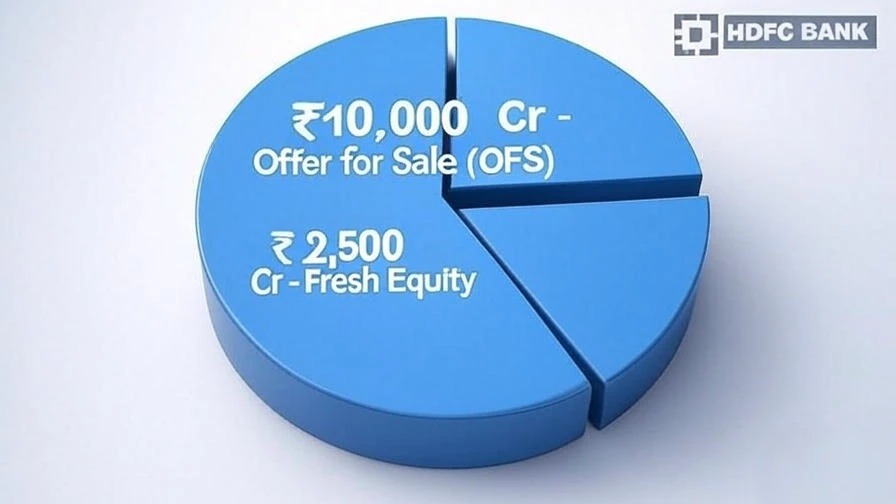
    Let’s talk scale. HDB Financial is raising ₹12,500 crore, making it the largest NBFC IPO in Indian history. The structure is particularly interesting: ₹2,500 crore comes from fresh equity, while a massive ₹10,000 crore represents an Offer for Sale (OFS) by existing shareholders.

    HDFC Bank, the parent company, is the biggest beneficiary here. By selling 135.13 million shares, it stands to pocket approximately ₹9,373 crore in profits. Currently holding 94.6% of HDB Financial, the bank will still retain a commanding 75% stake post-listing, ensuring continued control while optimizing its capital structure.

    For HDFC Bank, this move serves multiple strategic purposes: regulatory compliance, capital optimization, and unlocking value from a subsidiary that’s been performing exceptionally well.

    The Independent Growth Engine Story

    What makes HDB Financial particularly attractive is its operational independence despite being an HDFC Bank subsidiary. The company has built its customer base organically, without relying on parent bank referrals. Its 1,770 branches across 1,100 cities operate independently, with separate risk management systems and technology infrastructure.

    The numbers speak volumes about the company’s growth trajectory. Customer base has exploded from 9 million in FY22 to 19 million by FY25. The loan book is highly granular, with top 20 customers accounting for less than 0.4% of total Assets Under Management (AUM). This diversification reduces concentration risk significantly.

    Having been profitable since its second year of operations, HDB Financial has demonstrated consistent performance over 17 years. The company focuses exclusively on retail lending, targeting underbanked and underserved segments that complement rather than compete with HDFC Bank’s traditional customer base.

    The Positive Investment Case

    Several factors make HDB Financial an attractive proposition. The company operates in India’s growing consumer finance space, benefiting from increasing financial inclusion and rising consumer aspirations. Its proven track record, strong parentage, and independent operational model create a compelling combination.

    The significant discount to grey market peaks could indeed represent value for investors who believe in the company’s long-term prospects. With fresh capital of ₹2,500 crore, management expects to fund growth for 3-4 years while remaining ready for expansion opportunities.

    The reserved quota for existing HDFC Bank shareholders (up to ₹1,250 crore worth of shares) shows confidence in cross-selling the investment story to stakeholders who already understand the parent company’s quality.

    The Potential Concerns to Consider

    However, investors should also weigh the risks carefully. The NBFC sector faces regulatory scrutiny, and any tightening of lending norms could impact growth prospects. Rising interest rates could pressure margins, while economic slowdowns typically hurt consumer lending businesses first.

    The massive OFS component means most of the IPO proceeds go to existing shareholders rather than company growth. While ₹2,500 crore in fresh capital is substantial, it’s only 20% of the total raise.

    Competition in the consumer finance space is intensifying, with new-age fintech companies and established players fighting for market share. HDB Financial will need to continuously innovate to maintain its competitive edge.

    Key Dates and Investment Details

    For those considering participation, mark these dates: anchor book opens June 24, public issue runs June 25-27, with listing scheduled for July 2. Retail investors can apply for 20-260 shares, with current grey market estimates suggesting a potential 10% listing premium.

    The Bottom Line: Opportunity or Hype?

    HDB Financial’s IPO presents a rare combination of scale, established business model, and attractive pricing. The discount to grey market levels could represent genuine value, especially for long-term investors betting on India’s consumer finance growth story.

    However, remember that IPO investing always carries risks. The company’s future performance will depend on execution, market conditions, and regulatory environment. While the pricing appears attractive, investors should evaluate their risk tolerance and investment horizon carefully.

    Disclaimer: This analysis is for informational purposes only and should not be considered as investment advice. The author does not recommend buying, selling, or holding any securities mentioned. Investors should conduct thorough research and consult qualified financial advisors before making investment decisions. Past performance does not guarantee future results, and all investments carry inherent risks including potential loss of principal.

  • This Stock Jumped 1600% in One Day – But Here’s Why You Should Be Careful

    This Stock Jumped 1600% in One Day – But Here’s Why You Should Be Careful

    The Indian stock market has witnessed many dramatic comebacks, but few can match the sheer spectacle of Indosolar’s relisting on June 19, 2025. Trading under the new symbol “WAAREEINDO,” the stock opened at ₹165 and closed at ₹173 – a mind-boggling 1600% jump from its previous indicated price. But before you get swept away by the euphoria, let’s dig deeper into what really happened here.

    The Fall and Rise of a Solar Giant

    Indosolar wasn’t always a penny stock story. Back in 2005, when solar energy was still finding its feet in India, this company was among the pioneers. With a manufacturing capacity of over 450 MW and operations spanning 30 countries, it looked destined for greatness.

    But the solar industry is notoriously volatile, and Indosolar learned this the hard way. By 2018, mounting debts forced the company into insolvency proceedings. The stock, which hadn’t seen double digits since 2015, was trading at a mere ₹3.21 before being suspended in June 2022.

    For investors who held the stock through this dark period, it was a nightmare. Many had written off their investments completely.

    Enter Waaree Energies: The White Knight

    The turnaround story begins with Waaree Energies, one of India’s largest solar panel manufacturers. In April 2022, the National Company Law Tribunal approved a resolution plan that handed over Indosolar to Waaree.

    But here’s where things get interesting – and concerning for original shareholders. The resolution plan involved a massive capital restructuring. Old promoters lost their entire stake, and public shareholders saw their holdings reduced in a 1:100 ratio. Simply put, if you owned 100 shares worth ₹825 before the restructuring, you’d end up with just one share worth approximately ₹173 after relisting – still representing a significant loss.

    Waaree now owns 96.15% of Indosolar, with retail shareholders holding just 3.29% through 58,600 individual investors.

    The Numbers Tell a Story

    The financial turnaround has been remarkable. In Q4 FY25, Indosolar reported revenue of ₹1,925.8 million, nearly double the ₹1,040 million from the same quarter last year. More impressively, net profit jumped to ₹400 million – four times higher than the previous year.

    For the full year FY25, the company posted revenue of ₹3,247.4 million and net profit of ₹550 million, compared to a loss of ₹154.4 million in FY24. These are solid fundamentals backing the stock’s dramatic price movement.

    Why Waaree Made This Move

    For Waaree Energies, acquiring Indosolar isn’t just about rescuing a distressed company. It’s strategic chess. The acquisition allows Waaree to expand its solar cell manufacturing capacity from 4 GW to 5.4 GW, strengthening its position in India’s booming renewable energy sector.

    With the government’s ambitious renewable energy targets and global demand for clean energy solutions growing rapidly, this move positions Waaree to capture a larger share of the market. The company plans to restart manufacturing at Indosolar’s facility within six months, following infrastructure upgrades.

    The Reality Check: What Investors Must Know

    While the 1600% gain makes for exciting headlines, the reality is more nuanced. Here’s what you need to understand:

    The Good:

    • Strong financial turnaround with consistent profitability
    • Backing by Waaree Energies, a established player in solar energy
    • Growing renewable energy market provides long-term growth potential
    • Improved operational efficiency and strategic focus

    The Concerning:

    • Original shareholders still faced massive losses despite the dramatic relisting price
    • The stock trades in the ‘T’ group with 5% daily price limits, restricting liquidity
    • High promoter holding (96.15%) means limited free float
    • True price discovery will take time given the trading restrictions

    Market Dynamics and Valuation Concerns

    At the current price, Indosolar’s market capitalization stands at ₹721 crore. While the fundamentals have improved dramatically, investors need to question whether this valuation is sustainable.

    The renewable energy sector is experiencing a global boom, with countries worldwide committing to net-zero emissions. India’s solar capacity has grown exponentially, and companies like Indosolar, backed by strong promoters, are well-positioned to benefit.

    However, the sector is also highly competitive, with Chinese manufacturers dominating global supply chains and pricing pressures remaining intense.

    What This Means for Retail Investors

    If you’re considering investing in Indosolar, here are key factors to consider:

    Technical Aspects:

    • The stock will trade with 5% upper circuit limits for the first ten sessions
    • No intraday trading allowed
    • Limited liquidity due to high promoter holding

    Fundamental Analysis:

    • Revenue growth trajectory looks promising
    • Profit margins have improved significantly
    • Industry tailwinds are favorable
    • Management backing provides operational confidence

    Risk Factors:

    • Sector volatility remains high
    • Global supply chain disruptions can impact operations
    • Competition from established players
    • Regulatory changes in renewable energy policies

    The Bigger Picture

    Indosolar’s story reflects the broader transformation happening in India’s renewable energy sector. Companies that seemed destined for failure are finding new life through strategic partnerships and industry consolidation.

    The government’s push for energy independence and carbon neutrality is creating opportunities for well-positioned players. However, not every comeback story ends successfully, and investors must differentiate between genuine turnarounds and temporary market euphoria.

    Final Thoughts

    Indosolar’s relisting is undoubtedly one of the most dramatic stock market events of 2025. The combination of strong fundamentals, strategic backing, and favorable industry conditions makes it an interesting case study.

    However, the massive percentage gains shouldn’t overshadow the fact that many original investors still faced significant losses. The true test will be whether the company can sustain its growth momentum and justify current valuations.

    For potential investors, this is a story worth following, but with careful attention to risk management and realistic expectations.


    Disclaimer: This analysis is for informational purposes only and should not be construed as investment advice. Stock investments are subject to market risks, and past performance doesn’t guarantee future results. Readers are advised to consult qualified financial advisors and conduct their own research before making investment decisions. The author and publication do not recommend buying or selling any securities mentioned in this article.