Month: June 2025

  • Amul vs Nandini: The Metro Milk Battle That’s Dividing Bengaluru Commuters

    Amul vs Nandini: The Metro Milk Battle That’s Dividing Bengaluru Commuters

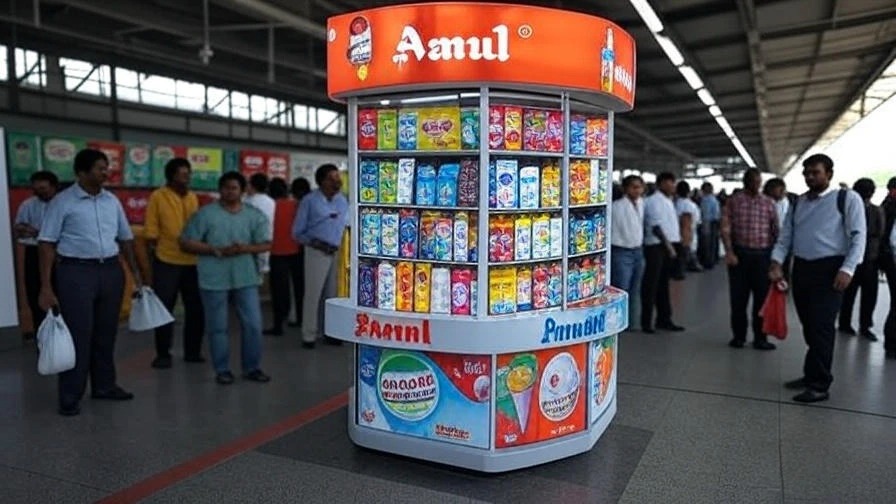
    The bustling corridors of Bengaluru Metro are about to witness something unprecedented – a dairy war that goes far beyond simple product placement. When Amul announced its plans to set up kiosks at ten key metro stations, it didn’t just signal a business expansion; it reignited one of India’s most passionate regional rivalries in the dairy sector.

    The Strategic Chess Move

    The Bengaluru Metro Rail Corporation Limited (BMRCL) made a calculated decision when it welcomed Amul kiosks to high-traffic stations including Indiranagar, Baiyappanahalli, Trinity, Majestic, and Jayanagar. From a pure business lens, this move makes perfect sense. With metro fares recently hiked by up to 71%, alternative revenue streams have become critical for BMRCL’s financial sustainability.

    These Amul outlets will offer everything from fresh milk and ice cream to instant food items and organic products – essentially creating a comprehensive convenience store experience for daily commuters. For time-pressed Bengaluru residents juggling work and long commutes, having access to quality dairy products and snacks right at metro stations represents genuine value addition.

    The revenue diversification strategy is textbook smart. Urban transit systems worldwide rely heavily on non-fare revenue through retail partnerships, advertising, and commercial spaces. BMRCL is simply following this proven playbook, partnering with a brand that commands national recognition and trust.
    The Regional Pride Factor

    However, beneath this business rationale lies a complex web of regional sensitivities. Karnataka Milk Federation’s ‘Nandini’ brand isn’t just another dairy cooperative – it’s deeply woven into the state’s agricultural identity and farmer livelihoods. As India’s second-largest dairy cooperative, KMF has built its reputation on supporting local farmers while maintaining product quality that rivals any national brand.

    The political dimensions became evident during the 2023 Karnataka Assembly elections when Congress leaders accused the then BJP government of favoring Gujarat-based Amul over homegrown Nandini. This wasn’t merely election rhetoric; it reflected genuine concerns about economic priorities and regional representation.

    KMF’s strong objection to Amul’s entry stems from a fundamental question: why invite external competition when Karnataka’s dairy sector is not just self-sufficient but actually exports surplus production to other states? Their argument carries weight – the state doesn’t have a supply gap that requires filling from outside.

    The Unwritten Rules Are Changing

    Historically, Amul and KMF maintained an informal understanding, avoiding direct liquid milk sales in each other’s home territories while competing freely in neutral markets like Mumbai, Chennai, and Nagpur. This gentleman’s agreement appears to be dissolving, with both cooperatives now adopting more aggressive expansion strategies.

    KMF hasn’t remained passive, actively expanding into Delhi, Uttar Pradesh, and Rajasthan – effectively taking the competition to Amul’s broader operational territories. This escalation suggests we’re witnessing a fundamental shift in how India’s largest dairy cooperatives view territorial boundaries.

    Consumer Impact: The Silver Lining

    From a consumer perspective, increased competition typically delivers better outcomes. Bengaluru commuters will benefit from:

    Enhanced Convenience: Access to quality dairy products during daily commutes eliminates the need for separate shopping trips.

    Product Variety: Amul’s extensive range, from traditional dairy to innovative snacks, provides more choices.

    Potential Price Benefits: Competition could lead to better pricing and promotional offers, though this remains to be seen.

    Quality Assurance: Both Amul and Nandini maintain high quality standards, ensuring consumers get reliable products regardless of their choice.

    The Challenges Ahead

    The expansion isn’t without risks and concerns:

    Local Farmer Impact: If Amul gains significant market share, it could potentially affect KMF’s procurement from local farmers, impacting rural livelihoods.

    Market Saturation: Karnataka’s dairy market might not have room for significant additional capacity without affecting existing players.

    Supply Chain Complexity: Managing fresh dairy product distribution through metro kiosks presents logistical challenges that could affect product quality or pricing.

    Political Sensitivity: The expansion could remain a politically charged issue, potentially affecting business operations during election cycles.

    Industry Implications

    This development signals broader changes in India’s cooperative sector. Traditional regional boundaries are becoming less relevant as cooperatives seek growth in an increasingly competitive market. The success or failure of Amul’s metro strategy could influence similar expansions by other state cooperatives across India.

    The dairy sector’s evolution reflects India’s broader economic transformation – from regionally protected markets to more open, competitive environments. While this creates opportunities for innovation and efficiency, it also raises questions about balancing growth with local economic interests.
    The Road Ahead

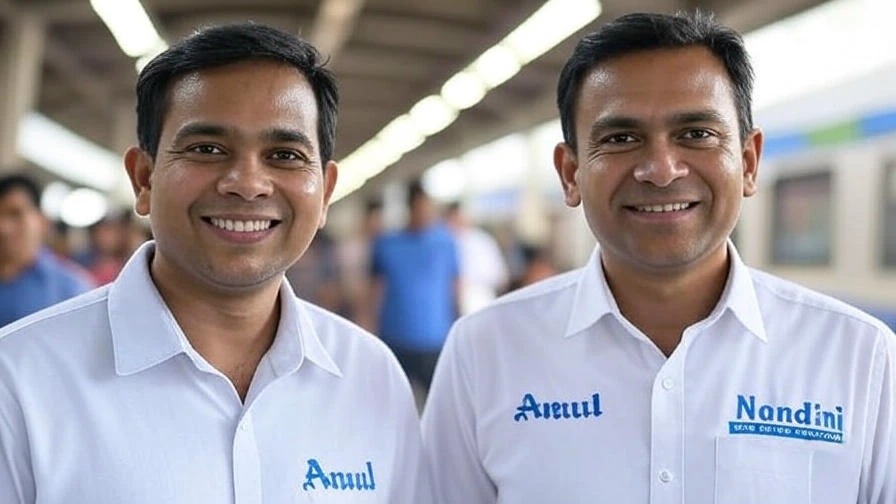
    As Bengaluru commuters soon encounter Amul kiosks alongside existing Nandini options, the market will ultimately decide the winner. Success will depend on factors beyond brand loyalty – pricing, convenience, product freshness, and service quality will all play crucial roles.

    This metro milk war represents more than just corporate competition; it’s a case study in how regional identity, economic development, and market forces intersect in modern India. The outcome will be closely watched by policymakers, industry analysts, and other state cooperatives considering similar expansions.

    For now, Bengaluru’s metro stations are set to become an interesting battleground where commuters will vote with their wallets, potentially reshaping Karnataka’s dairy landscape in the process.


    Disclaimer: This analysis is based on publicly available information and market developments. It does not constitute investment advice or recommendations to purchase any products or services. The views expressed are for informational purposes only. Readers should conduct independent research and consult appropriate advisors before making any business or investment decisions. The dairy cooperative sector involves various economic and political factors that can impact market dynamics unpredictably.


  • Oil Soars 7% as Israel-Iran Conflict Rocks Global Markets: What Investors Need to Know

    Oil Soars 7% as Israel-Iran Conflict Rocks Global Markets: What Investors Need to Know

    The fifth day of escalating tensions between Israel and Iran has sent shockwaves through global financial markets, with oil prices surging nearly 7% and major stock indices tumbling across the board. As geopolitical uncertainty grips investors worldwide, the question on everyone’s mind is: how deep will this market turmoil go?

    The Market Carnage: Numbers Don’t Lie

    Tuesday’s trading session painted a grim picture for risk assets. The Dow Jones Industrial Average shed nearly 300 points, closing down 0.70% at 42,215.80. The broader S&P 500 wasn’t spared either, sliding 0.84% to 5,982.72, while the tech-heavy Nasdaq Composite dropped 0.91% to finish at 19,521.09.

    This wasn’t just a stock market story. Even cryptocurrencies, often touted as digital safe havens, couldn’t escape the sell-off. Bitcoin tumbled 3.8%, while Ether and Solana led the crypto decline, highlighting how interconnected global risk sentiment has become in today’s markets.

    Iran’s Energy Muscle: The Heart of Market Fears

    To understand why markets are reacting so violently, you need to grasp Iran’s heavyweight status in global energy markets. The Islamic Republic isn’t just another oil producer – it’s a energy superpower sitting on the world’s second-largest proven natural gas reserves and third-largest crude oil reserves.

    With approximately 157 billion barrels of proven crude oil reserves, Iran controls about a quarter of the Middle East’s oil wealth and 12% of global proven reserves. Despite years of crippling international sanctions, the country still pumps out 3.3 million barrels daily and exports roughly 2 million barrels, making it a crucial cog in the global energy machine.

    Israel’s strategic strikes have specifically targeted Iran’s energy infrastructure, hitting the massive South Pars gasfield (the world’s largest), the Fajr Jam gas plant, multiple oil depots, and refineries including the Shahr Rey facility. These aren’t random targets – they’re calculated moves aimed at Iran’s economic lifeline.

    The Strait of Hormuz: A $100 Trillion Chokepoint

    Here’s where things get really interesting from a market perspective. The Strait of Hormuz, that narrow waterway between Iran and Oman, handles roughly 20% of global oil consumption and more than 20% of seaborne oil traffic. It’s essentially the world’s most important energy highway.

    Investment strategists are now war-gaming scenarios where Iran might attempt to close this vital chokepoint – a move that would send oil prices into the stratosphere. Interestingly, some analysts believe any such disruption would be “fleeting,” with one suggesting investors should be ready to “short oil and go long stocks” if this nuclear option is deployed.

    Already, we’re seeing shipping costs explode. Rates for hauling refined oil from the Persian Gulf to Japan have nearly doubled to over $55,000 per day, signaling intense demand for immediate energy shipments from the region.

    Trump’s High-Stakes Poker Game

    The geopolitical temperature is rising fast. President Trump’s rhetoric has been particularly aggressive, demanding Iran’s “UNCONDITIONAL SURRENDER!” and claiming knowledge of the Supreme Leader’s hiding place. His cryptic comment about wanting “a real end, not a ceasefire” to Iran’s nuclear ambitions, combined with his early departure from the G7 summit for something “much bigger,” has markets on edge about potential U.S. military involvement.

    The conflict has even spilled into cyberspace, with pro-Israel hackers claiming responsibility for attacks on Iran’s Bank Sepah, a institution previously sanctioned for alleged links to Iran’s nuclear program.

    Beyond the Headlines: Other Market Movers

    While Middle East tensions dominate the narrative, several other developments are quietly shaping market dynamics:

    The Challenging Side: The Congressional Budget Office dropped a bombshell analysis showing the Republican tax bill could add $2.8 trillion to U.S. deficits over the next decade. That’s not exactly music to bond investors’ ears.

    Amazon’s CEO Andy Jassy made waves by suggesting AI will likely shrink the company’s corporate workforce in coming years – a reality check on the AI revolution’s impact on employment. Meanwhile, fashion retailer Groupe Dynamite raised prices 9% over the past year with more increases planned, highlighting persistent inflationary pressures.

    The Opportunity Side: Not everything is doom and gloom. Brazil’s offshore oil auction saw major players like Petrobras, Exxon, and Chevron secure exploration rights in the promising Equatorial Margin region. Canadian renewable energy firm Boralex announced plans to invest up to $5 billion to more than double production capacity by 2030.

    Tech innovation continues its march forward, with Adobe launching its standalone Firefly AI app and Meta planning to expand AI-powered smart glasses under luxury brands like Oakley and Prada. The FDA’s new priority voucher program promises to slash drug review times to just 1-2 months for companies aligned with U.S. interests – a potential game-changer for pharmaceutical innovation.

    What This Means for Your Portfolio

    From a market strategy standpoint, we’re witnessing a classic “risk-off” environment where investors flee to safety. Energy stocks are obviously benefiting from higher oil prices, while defensive sectors like utilities and consumer staples are seeing relative outperformance.

    However, seasoned market watchers know that geopolitical crises, while dramatic, often create more short-term noise than long-term damage to markets. The key is distinguishing between temporary disruptions and fundamental shifts in market dynamics.

    The Positive Case: Energy security concerns could accelerate investment in domestic production and renewable alternatives. Defense contractors might see increased demand. Market volatility often creates attractive entry points for patient investors.

    The Risk Scenario: Prolonged conflict could trigger supply chain disruptions, sustained inflation, and deeper recession fears. Currency markets could become increasingly volatile, impacting international investments.

    The Bottom Line

    Markets hate uncertainty, and the Israel-Iran conflict delivers that in spades. While oil’s 7% surge grabs headlines, the real story is how interconnected our global economy has become. A conflict in the Middle East doesn’t just affect energy prices – it ripples through currencies, commodities, and risk sentiment worldwide.

    For investors, this environment demands careful navigation. Diversification remains crucial, and having some exposure to energy and defensive sectors makes sense. However, panic selling rarely pays off in the long run.

    Disclaimer: This analysis is for informational purposes only and should not be considered investment advice. Markets can be highly volatile during geopolitical events, and past performance doesn’t guarantee future results. Always consult with a qualified financial advisor and conduct your own research before making investment decisions. The author holds no positions in the securities mentioned and receives no compensation from any companies discussed.

  • IGL Stock Surges 4% as Delhi May Ease EV Policy – Should Investors Buy the Dip?

    IGL Stock Surges 4% as Delhi May Ease EV Policy – Should Investors Buy the Dip?

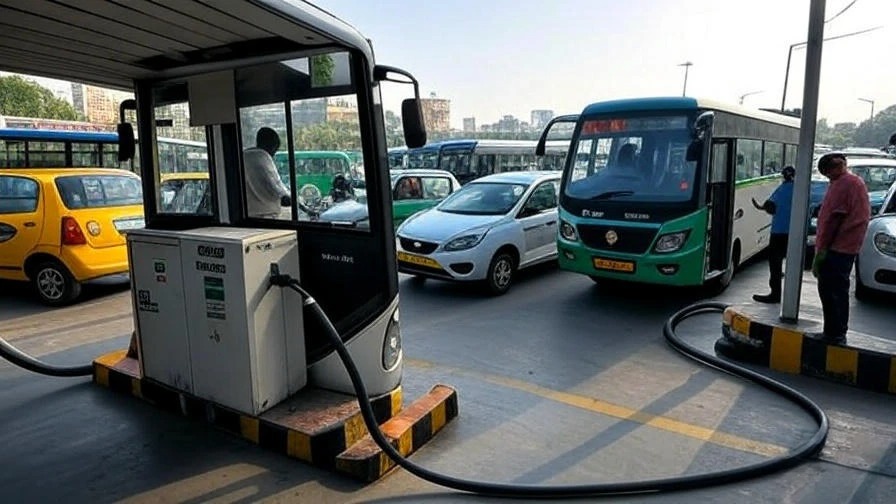
    The gas distribution sector got a surprising boost on Monday as Indraprastha Gas Limited (IGL) shares jumped nearly 5% following reports that Delhi government might soften its aggressive electric vehicle transition timeline. But is this rally sustainable, or just a temporary relief for a company caught in the crosshairs of India’s green energy push?

    The Policy U-Turn That Sparked Market Excitement

    IGL shares witnessed their best single-day performance in recent weeks, surging up to 4.84% to hit an intraday high of ₹208.50 on the NSE. The catalyst? Reports from Hindustan Times suggesting Delhi government is reconsidering its ambitious 2023 Electric Vehicle policy that mandated complete electrification across various transport segments by 2030.

    This isn’t just any policy tweak – it’s potentially a game-changer for IGL’s business model. The original Aam Aadmi Party policy was incredibly aggressive, targeting everything from cabs to three-wheelers for mandatory electric conversion. Market participants, including global brokerage Citi, had called these targets “very hard to achieve realistically.”

    The proposed revisions reportedly include relaxing EV transition deadlines for cab aggregators and delivery services – two segments that form the backbone of IGL’s CNG volumes. Additionally, the government is considering regulations on surge pricing for ride-hailing platforms, which could indirectly support traditional fuel demand.

    Why This Matters for IGL’s Bottom Line

    To understand the market’s euphoric response, you need to look at IGL’s revenue structure. The cab segment alone contributes 12-15% of IGL’s total CNG volumes – that’s a significant chunk of business that was under threat from forced electrification. Add the three-wheeler segment (contributing 3-4% of volumes), and you’re talking about preserving nearly one-fifth of the company’s gas sales.

    The math is simple: if these segments continue using CNG instead of switching to electric, IGL maintains its volume growth trajectory. Given that the company has already lost ground in the bus segment – where DTC electrification reduced IGL’s share from 7-8% to just 2% – preserving the cab and three-wheeler markets becomes crucial.

    Citi analysts seem convinced, maintaining their “buy” rating with a ₹250 price target. Their logic centers on the belief that pragmatic policy-making will provide substantial support to IGL’s business fundamentals.

    The Financial Reality Check

    However, euphoria aside, IGL’s recent financial performance presents a mixed picture that investors shouldn’t ignore. The March 2025 quarter showed a 1.9% decline in net profit to ₹3,451 million, even as net sales grew 9.5% to ₹43,408 million. This divergence suggests margin pressure – a concerning trend for any business.

    The full-year FY24 numbers tell a more complex story. While net profit jumped 21% to ₹19,834 million, revenue actually declined 1% to ₹125,435 million. This indicates IGL managed to improve profitability through cost optimization rather than top-line growth – a strategy with limited long-term sustainability.

    From a valuation perspective, IGL trades at a P/E ratio of 21.7x, which isn’t exactly cheap for a utility-like business facing structural headwinds from energy transition.

    The Broader Market Context

    IGL’s struggles aren’t happening in isolation. The stock has declined 12.3% over the past year, significantly underperforming the BSE Sensex’s 6.7% gain. The broader BSE Oil & Gas index fell 6.5% during the same period, with gas distribution peers like Adani Total Gas (-30.6%) and Gujarat Gas (-22.2%) facing even steeper declines.

    This sector-wide weakness reflects investor concerns about the long-term viability of fossil fuel-dependent businesses in an increasingly electrified world. Monday’s rally might provide temporary relief, but it doesn’t change the fundamental narrative.

    The Bull Case: Policy Pragmatism Prevails

    Optimists argue that Delhi’s potential policy revision signals a more realistic approach to India’s EV transition. Complete electrification by 2030 was always ambitious – the infrastructure, technology costs, and consumer adoption rates simply weren’t aligned with such aggressive timelines.

    If the policy revision materializes, IGL could see:

    • Sustained CNG demand from cab and delivery segments
    • More predictable volume growth trajectory
    • Better capacity utilization of existing infrastructure
    • Time to diversify into new business areas

    The company has already demonstrated resilience by adapting to bus segment electrification. A more gradual transition timeline would allow IGL to execute similar adaptations across other segments without facing a cliff-edge scenario.

    The Bear Case: Delaying the Inevitable

    Skeptics, however, view this as merely postponing the inevitable. India’s commitment to net-zero emissions by 2070 and various state-level EV incentives suggest the electrification trend is irreversible, regardless of timeline adjustments.

    Key concerns include:

    • Policy uncertainty creating volatile business conditions
    • Continued margin pressure from competitive dynamics
    • Limited growth options in a structurally declining market
    • Potential for future policy reversals as EV infrastructure improves

    Moreover, relying on policy delays rather than fundamental business transformation raises questions about management’s long-term strategy.

    The Verdict: Cautious Optimism with Clear Risks

    Monday’s rally reflects genuine relief among investors who had written off gas distribution companies. The potential policy revision does provide breathing room and could support near-term financial performance.

    However, this shouldn’t be mistaken for a long-term solution. IGL remains a business in transition, caught between today’s reality and tomorrow’s inevitability. The policy revision, if it happens, buys time – but what the company does with that time will determine its future.

    For investors, IGL might offer tactical opportunities during policy-driven rallies, but the long-term investment thesis remains challenging. The stock could see further upside if policy revisions are formally announced, but any investment should account for the sector’s structural headwinds.

    Disclaimer: This analysis is for informational purposes only and should not be considered as investment advice or a recommendation to buy or sell IGL shares. The gas distribution sector faces significant long-term challenges from energy transition policies. Investors should conduct thorough research and consult qualified financial advisors before making investment decisions. Past performance does not guarantee future results.

  • Bajaj Finance Stock ‘Crashes’ 90% – But Here’s Why Smart Investors Are Actually Celebrating

    Bajaj Finance Stock ‘Crashes’ 90% – But Here’s Why Smart Investors Are Actually Celebrating

    The dramatic headline number that fooled many, but rewarded the informed

    June 16, 2025, began with what appeared to be a financial disaster for Bajaj Finance shareholders. News feeds lit up with alarming headlines about a near 90% crash in the stock price. Social media buzzed with panic, and many retail investors likely felt their hearts skip a beat seeing the numbers.

    But seasoned market participants knew better. What looked like a catastrophic meltdown was actually a well-orchestrated corporate action that benefited existing shareholders handsomely.

    The Numbers That Shocked Everyone

    When Bajaj Finance opened at ₹956 per share on June 16, compared to its previous close of ₹9,331, the mathematics were startling. A drop of nearly 90% would typically signal severe trouble – perhaps a major scandal, regulatory action, or catastrophic business failure.

    Instead, this was simply the stock trading “ex-bonus” and “ex-stock split” for the first time. Anyone who bought shares on June 16 wouldn’t receive the corporate benefits that had already been allocated to shareholders who held the stock on June 13, 2025.

    Breaking Down the Corporate Magic

    Bajaj Finance had announced two powerful shareholder-friendly actions:

    The 4:1 Bonus Issue: For every share you owned, the company gifted you four additional shares absolutely free. Think of it as the company saying “thank you” to loyal shareholders by increasing their stake without any additional investment.

    The 1:2 Stock Split: Each existing share was divided into two new shares, with the face value dropping from ₹2 to ₹1 per share. This wasn’t the company’s first rodeo – they had executed a similar 1:5 split back in 2016.

    Let’s walk through a real example. If you owned 100 shares before June 13:

    • The bonus issue would give you 400 additional shares (4 for every 1)
    • Your total would become 500 shares
    • The stock split would then double this to 1,000 shares

    Your 100 shares magically became 1,000 shares, though the per-share price adjusted proportionally to maintain the same total value.

    The Reality Check: Strong Performance Underneath

    Far from collapsing, Bajaj Finance actually performed well on June 16. After adjusting for the corporate actions, the stock traded relatively flat with a slight positive bias. On BSE, it closed 0.59% higher at ₹938.90, while NSE saw similar stable trading around ₹936-939 levels.

    The company’s fundamentals told an even better story. Recent Q4FY25 results showed robust health:

    • Net profit jumped 17% year-on-year to ₹4,480 crore, beating analyst estimates
    • Revenue from operations surged to ₹18,457 crore
    • Assets under management grew an impressive 26%
    • New loan bookings exploded by 36% compared to the previous year
    • Net interest income increased 22% to ₹9,807 crore

    These aren’t the numbers of a company in distress. They’re the metrics of a financial powerhouse operating from a position of strength.

    The Cherry on Top: Generous Dividends

    As if the bonus shares and stock split weren’t enough, Bajaj Finance also declared substantial dividends. Shareholders received ₹44 per share as final dividend plus ₹12 per share as special dividend, totaling ₹56 per share for FY25.

    For someone who held 100 shares originally, they would have received ₹5,600 in dividends alone, plus ended up with 1,000 shares post-adjustment.

    Market Context: A Day of Broader Optimism

    June 16 was generally positive for Indian markets. The Sensex gained 677.55 points (0.84%) to close at 81,796.15, while Nifty 50 advanced 227.90 points (0.92%) to 24,946.50. IT stocks led the rally, with all sectoral indices closing in green.

    This broader market strength provided a supportive backdrop for Bajaj Finance’s adjusted trading debut.

    The Flip Side: What Could Go Wrong

    While the corporate actions were shareholder-friendly, investors should consider potential downsides:

    Liquidity Dilution: With 10 times more shares in circulation, individual share movements might become more volatile in the short term as the market adjusts to the new supply.

    Perception Issues: New investors might be confused by the adjusted price levels, potentially creating temporary demand-supply imbalances.

    Execution Risk: The company now needs to maintain its growth trajectory with a much larger share base, which could pressure per-share metrics if growth slows.

    Market Dynamics: NBFC stocks face ongoing regulatory scrutiny and interest rate sensitivity that could impact future performance regardless of corporate actions.

    The Broader NBFC Landscape

    Bajaj Finance operates in India’s competitive NBFC space, where regulatory changes, credit costs, and economic cycles significantly impact performance. While current numbers look strong, the sector faces headwinds from potential policy changes and economic uncertainty.

    The company’s aggressive growth strategy, while impressive, also carries inherent risks in terms of asset quality and regulatory compliance that investors should monitor closely.

    Key Takeaways for Investors

    This episode offers several crucial lessons:

    1. Headlines Can Mislead: Always understand the context behind dramatic price movements
    2. Corporate Actions Matter: Bonus issues and stock splits can create apparent volatility without real value changes
    3. Fundamentals Trump Noise: Strong business performance ultimately drives long-term returns
    4. Timing Is Everything: Record dates and ex-dates significantly impact who benefits from corporate actions

    The Bottom Line

    Bajaj Finance’s apparent 90% crash was actually a testament to the company’s confidence in its business and commitment to shareholders. The combination of bonus shares, stock splits, and dividends represented a significant wealth transfer to existing shareholders.

    However, this doesn’t automatically make it a buy. The NBFC sector remains cyclical and regulatory-sensitive. Future performance will depend on the company’s ability to maintain its growth momentum while managing credit risks effectively.


    Disclaimer: This analysis is for informational purposes only and should not be considered as investment advice. Stock market investments carry inherent risks and can result in significant losses. The NBFC sector faces regulatory and economic risks that could impact performance. Readers should conduct their own research and consult qualified financial advisors before making investment decisions. Past performance does not guarantee future results. The author may or may not hold positions in the mentioned securities.

  • India’s EV Dreams vs China’s Magnet Monopoly: The Hidden Battle That Could Make or Break Our Electric Future

    India’s EV Dreams vs China’s Magnet Monopoly: The Hidden Battle That Could Make or Break Our Electric Future

    India’s electric vehicle revolution is racing ahead at breakneck speed, but there’s a tiny component – barely the size of your thumb – that could slam the brakes on this ambitious journey. The rare earth magnet crisis unfolding between India and China isn’t just another trade dispute; it’s a wake-up call that exposes the fragile foundations of our EV dreams.

    The Invisible Giant Inside Every EV

    Walk into any showroom today, and you’ll see gleaming electric cars promising a cleaner future. What you won’t see is the small but mighty rare earth magnet buried deep inside each vehicle’s motor. These magnets are the unsung heroes of the EV revolution, powering the Permanent Magnet Synchronous Motors that give electric vehicles their superior torque and efficiency.

    Think of it this way: without these magnets, an EV is like a smartphone without a battery – technically impressive but functionally useless. They’re not just in EVs either. Your car’s power steering, windshield wipers, and dozens of other components depend on these magnetic powerhouses.

    China’s Masterstroke: When Supply Chains Become Weapons

    In April 2025, Beijing dropped a bombshell that sent shockwaves through India’s automotive corridors. New export restrictions on rare earth elements and finished magnets turned what was once a smooth supply chain into a bureaucratic nightmare. The message was clear: China controls the tap, and it can turn it off whenever it wants.

    The numbers tell a sobering story. India imported 540 tonnes of magnets last year, with over 80% coming from China. By May 2025, around 30 Indian companies had filed import requests, but Chinese authorities hadn’t approved a single one. The approval process, once routine, now stretches to 45 days or more.

    Major players like Bosch India, TVS Motor, and Sona Comstar found themselves in an unexpected queue, waiting for Beijing’s nod. It’s like watching a high-stakes game of musical chairs, except the music might never start again.

    The Domino Effect: When Small Parts Create Big Problems

    Here’s where the story gets interesting – and concerning. A single rare earth magnet costs less than ₹1,000, but its absence can shut down an entire production line worth crores. It’s the automotive equivalent of a missing screw grounding a ₹500-crore aircraft.

    The timing couldn’t be worse. India’s automakers are preparing to launch over a dozen new EV models, mostly built on platforms that require these Chinese magnets. With current inventory levels lasting only 4-6 weeks, production disruptions could hit as early as July 2025.

    The ripple effects extend far beyond EVs. Traditional petrol and diesel vehicles also use these magnets for power steering and other systems. Even the booming two-wheeler segment, which forms the backbone of India’s mobility ecosystem, faces potential disruption.

    The Silver Lining: Crisis as Catalyst

    Every crisis carries within it the seeds of opportunity, and India’s rare earth predicament is no exception. The government’s response has been swift and multi-pronged, suggesting that this shock might be exactly what the country needed to break free from Chinese dependence.

    Commerce Minister Piyush Goyal’s characterization of this as a “wake-up call” wasn’t just political rhetoric – it was a strategic acknowledgment that India’s manufacturing ambitions require supply chain sovereignty.

    The immediate response focuses on building strategic inventories and diversifying suppliers. Countries like Vietnam, Brazil, and Australia are emerging as potential alternatives, though scaling up will take time.

    More importantly, India is accelerating domestic capabilities under the Production Linked Incentive scheme. The country’s vast rare earth reserves, particularly in Odisha and Andhra Pradesh, could become the foundation for indigenous magnet manufacturing.

    The Long Game: From Dependence to Independence

    The most promising development might be India’s diplomatic outreach to Central Asian nations. Kazakhstan, Kyrgyzstan, and Uzbekistan possess significant rare earth deposits, and the recent India-Central Asia Dialogue signals a new chapter in resource cooperation.

    This isn’t just about magnets – it’s about building a resilient ecosystem for critical minerals that power the modern economy. From solar panels to wind turbines, smartphones to satellites, rare earths are the building blocks of technological progress.

    India’s automotive sector, which contributes over 7% to GDP and employs millions, cannot afford to remain hostage to a single supplier. The current crisis, painful as it is, might force the structural changes needed for long-term competitiveness.

    The Reality Check: Challenges Ahead

    Let’s be honest about the obstacles. China’s 90% dominance in rare earth processing didn’t happen overnight – it’s the result of decades of strategic investment and environmental trade-offs. Building comparable capabilities will require significant capital, technology transfer, and time.

    The environmental challenges are real too. Rare earth processing is messy business, involving chemicals and processes that require careful handling. India will need to balance its manufacturing ambitions with environmental responsibilities.

    There’s also the question of cost. Chinese magnets are cheap partly because of scale and government subsidies. Indian alternatives might initially cost more, potentially impacting EV affordability – a crucial factor in mass adoption.

    The Road Ahead: Cautious Optimism

    The rare earth magnet crisis reveals both the vulnerabilities and the opportunities in India’s EV journey. While the immediate challenges are real, the long-term response could transform India from a dependent importer to a self-reliant manufacturer.

    The key lies in viewing this not as a temporary trade dispute but as a permanent shift toward supply chain diversification. Companies that invest in alternative sources and domestic capabilities today will be better positioned tomorrow.

    For investors and industry watchers, this crisis underscores the importance of supply chain resilience in evaluating automotive companies. The winners will be those who adapt quickly to the new reality.

    India’s EV revolution might face a temporary speed bump, but it’s far from derailed. Sometimes, the best paths forward are discovered when the familiar routes are blocked.


    Disclaimer: This analysis is for informational purposes only and should not be considered as investment advice. The automotive sector faces multiple challenges and opportunities that can impact company performance. Readers are advised to conduct their own research and consult with financial advisors before making any investment decisions. Past performance does not guarantee future results.

  • Can India Strike Oil Gold? The Andaman Sea Discovery That Could Change Everything

    Can India Strike Oil Gold? The Andaman Sea Discovery That Could Change Everything

    India’s energy story has always been one of dependence – importing over 85% of its crude oil needs while being the world’s third-largest oil importer. But what if that narrative is about to flip dramatically? Recent statements from Union Petroleum Minister Hardeep Singh Puri suggest India might be sitting on a massive oil jackpot in the Andaman Sea, comparable to Guyana’s game-changing discoveries.

    The Big Claim: A Guyana-Sized Oil Bonanza

    Minister Puri’s bold declaration that it’s “only a matter of time” before India discovers major oil reserves in the Andaman Sea isn’t just political rhetoric. The comparison to Guyana is particularly striking – this South American nation transformed from an oil nobody to holding 11.6 billion barrels in reserves, ranking 17th globally in just a few years.

    For context, such a discovery could potentially propel India’s economy from its current $3.7 trillion to an ambitious $20 trillion. That’s not just growth – that’s economic transformation of historic proportions.

    India’s Energy Infrastructure Revolution

    The foundation for this optimistic outlook has been building for over a decade. India’s oil and gas infrastructure has undergone massive expansion:

    Refining Capacity Boom: The country now operates 23 modern refineries with a combined capacity of 257 million metric tonnes annually, producing everything from petrol to LPG.

    Clean Fuel Expansion: Piped Natural Gas now reaches 733 districts nationwide, while CNG stations have expanded to 8,000 retail outlets across the country.

    Biofuel Push: E20 ethanol-blended petrol is now available everywhere, and 106 Compressed Bio-Gas plants are operational with 625 tonnes daily capacity.

    Strategic Reserves: India has built petroleum reserves in Pudur, Visakhapatnam, and Mangalore, creating crucial buffers against global price volatility.

    The Andaman Sea: Why It Matters

    The Andaman Sea represents uncharted territory with enormous potential. Unlike India’s existing oil regions in Assam, Gujarat, Rajasthan, and Mumbai High, the Andaman basin could add an entirely new dimension to domestic production.

    Companies like Oil India and ONGC are actively drilling and surveying in the Andaman and Nicobar Islands. The seriousness of these operations reflects genuine belief in the region’s potential, not just wishful thinking.

    Policy Changes Driving Exploration

    India’s exploration surge isn’t accidental. Post-2016 policy shifts moved from production-sharing to revenue-sharing models, making exploration more attractive for companies. The Open Acreage Licensing Policy (OALP) has opened 1 million square kilometers of India’s 3.5 million square kilometers of sedimentary basins for exploration.

    The current OALP round is the largest ever, offering 250,000 square kilometers for bidding. This represents a fundamental shift from previous “no-go areas” to accessible exploration zones.

    ONGC’s performance reflects this renewed vigor – the company drilled 541 wells in FY24, its highest in 34 years, with capital expenditure reaching ₹37,000 crore.

    The Reality Check: Why Caution is Needed

    While optimism runs high, several sobering realities demand attention:

    Exploration is Expensive and Risky: Guyana’s success story involved drilling 43-44 wells at $100 million each before striking oil on the 41st well. That’s over $4 billion in investment before seeing results.

    No Guarantees: The phrase “only a matter of time” still indicates prediction, not certainty. Exploration is ongoing, but success remains unconfirmed.

    Historical Challenges: Indian oil marketing companies have sometimes prioritized short-term profits over long-term exploration investments, though this attitude appears to be changing.

    Continued Import Dependence: Even with discoveries, India will likely remain import-dependent for years. Global price volatility and geopolitical tensions, as seen during recent Israel-Iran conflicts, continue to pose risks.

    Regulatory Framework Getting Clearer

    The new Oil Fields Regulation and Development Amendment Bill aims to provide much-needed regulatory clarity. This legislation replaces the 1948 vintage law with modern frameworks, addressing private sector concerns about bureaucratic hurdles and unclear processes.

    The bill streamlines No Objection Certificate procedures and was developed through extensive industry consultation, fostering a more collaborative environment between government and private players.

    What This Means for Investors and India

    A major oil discovery in the Andaman Sea would fundamentally alter India’s economic landscape. Reduced import bills, improved current account deficit, and enhanced energy security would benefit the entire economy.

    For oil sector stocks, such discoveries typically create significant value, though the timeline remains uncertain. Companies actively involved in Andaman exploration like ONGC and Oil India could see substantial benefits if discoveries materialize.

    However, investors should remember that oil exploration is inherently speculative. Many promising regions yield nothing despite significant investment and geological optimism.

    The Broader Energy Transition Context

    India’s oil exploration push occurs alongside its commitment to renewable energy and net-zero targets. This isn’t contradictory – oil discoveries would provide economic breathing room while India transitions to cleaner energy sources over decades.

    Domestic oil production could fund renewable energy investments while reducing import dependence during the transition period.

    Looking Ahead

    India’s energy sector is entering a potentially transformative decade. The combination of ambitious exploration, policy reforms, increased investment, and clearer regulations creates conditions for success.

    Whether the Andaman Sea yields a “Guyana-sized” discovery remains uncertain, but India’s systematic approach to exploration provides genuine reason for cautious optimism.

    The stakes couldn’t be higher – energy independence would not only transform India’s economy but also provide strategic autonomy in an increasingly complex geopolitical environment.

    Disclaimer: This analysis is for informational purposes only and should not be considered investment advice. Oil exploration involves significant risks and uncertainties. Potential investors should conduct independent research and consult qualified financial advisors before making investment decisions. Past performance of oil exploration projects does not guarantee future results.

  • Bengal’s Defence Manufacturing Dream: Can 90 Lakh MSMEs Transform India’s Strategic Sector?

    Bengal’s Defence Manufacturing Dream: Can 90 Lakh MSMEs Transform India’s Strategic Sector?

    India’s defence manufacturing sector is witnessing unprecedented momentum, and West Bengal is positioning itself as a major player in this transformation. With an impressive 90 lakh Micro, Small, and Medium Enterprises (MSMEs) forming the backbone of its industrial ecosystem, the state is making bold moves to capture a significant slice of the defence manufacturing pie. But can this eastern powerhouse truly deliver on its ambitious promises?

    The Numbers Game: Bengal’s Industrial Muscle

    The statistics are staggering. West Bengal boasts one of India’s largest MSME bases with 90 lakh units, representing a vast reservoir of entrepreneurial talent and manufacturing capability. To put this in perspective, this single state houses more MSMEs than many countries have businesses altogether. The recent Defence MSME Manufacturing Forum in Kolkata, organized by the Indian Chamber of Commerce, highlighted this untapped potential.

    Rajesh Pandey, Principal Secretary for MSME and Textiles, emphasized how this massive network could serve as a flexible supply chain for defence components, sub-assemblies, and specialized equipment. The timing couldn’t be better – the Ministry of Defence has explicitly stated its intention for MSMEs and startups to participate “in a big way” in the defence sector, creating a perfect storm of opportunity.

    Beyond Numbers: Infrastructure and Commitment

    Bengal’s advantages extend beyond mere statistics. The state already houses significant industrial infrastructure, including one of India’s largest leather parks – a sector that could contribute to various non-metallic defence components. A Rubber Park is under development, and several other industrial parks are operational, providing the necessary ecosystem for defence manufacturing.

    What sets Bengal apart is its government’s proactive approach. A high-powered committee meets every 15 days to monitor project progress, demonstrating serious commitment to facilitating investment. Pandey’s invitation for “across-the-table interactions” to understand investor requirements signals an adaptive, responsive approach to attracting defence manufacturing investment.

    The forum saw participation from senior officials of key defence entities including GRSE, Bharat Dynamics Ltd, Hindustan Aeronautics Ltd, and Titagarh Wagons. This industry presence underscores genuine interest and potential for meaningful collaboration.

    The Eastern Handicap: A Critical Challenge

    However, the path ahead isn’t without significant roadblocks. Former Indian Air Force chief Air Chief Marshal Arup Raha raised a crucial concern at the forum – the absence of a dedicated defence corridor in eastern India. While two such corridors have been approved in regions “which have plenty,” eastern and northeastern India have been “totally ignored” despite their immense potential.

    This imbalance represents more than just geographical unfairness. Defence corridors provide integrated infrastructure, specialized facilities, and policy support that are essential for competitive manufacturing. Without such dedicated central support, Bengal might struggle to attract the scale of investment needed to compete with established defence manufacturing zones in other parts of the country.

    Raha’s call for regional governments to collaborate with the centre for an eastern defence corridor highlights a fundamental policy gap that could limit Bengal’s defence manufacturing aspirations.

    The Technology Trap

    Another significant challenge emerges from India’s broader technological limitations in defence manufacturing. Raha pointed out India’s dependency on foreign suppliers for critical components like jet engines, citing the purchase of General Electric F404 and F414 engines for LCA Tejas variants. Despite contracts, “the Americans wouldn’t give you the core technology,” he noted, highlighting a fundamental weakness in achieving true defence self-reliance.

    While MSMEs may not directly manufacture jet engines, their eventual role in supplying sophisticated components for high-tech defence systems will require advanced capabilities. This national technological gap presents a long-term challenge for MSMEs aspiring to move beyond basic manufacturing into more complex defence production.

    The Micro Challenge

    Perhaps the most significant hurdle lies in the composition of Bengal’s MSME base itself. With 99% of the 90 lakh units classified as micro enterprises, there’s a fundamental scaling challenge. Micro units often face limitations in capital investment, access to advanced machinery, quality control standards, and obtaining necessary certifications for defence manufacturing.

    The rigorous demands of defence production – from precision engineering to stringent quality standards and complex certification processes – require capabilities that most micro units currently lack. Bridging this gap will need substantial policy support, skill development programs, and financial assistance to help these units upgrade and integrate into sophisticated supply chains.

    The Verdict: Promise Versus Reality

    Bengal’s defence manufacturing ambitions represent both tremendous opportunity and significant challenges. The state’s massive MSME base, proactive government approach, and existing industrial infrastructure create a strong foundation. The alignment with national policy and industry interest adds credibility to these aspirations.

    However, the absence of a dedicated eastern defence corridor, technological limitations, and the predominance of micro units present substantial hurdles. Success will depend on addressing these systemic challenges through sustained collaboration between state government, central government, and private industry.

    The transformation won’t happen overnight. Converting micro enterprises into defence-ready manufacturers requires time, investment, and comprehensive support systems. While the potential is undeniable, execution will determine whether Bengal’s defence manufacturing dream becomes reality or remains an ambitious aspiration.

    For investors and industry watchers, Bengal’s defence manufacturing story represents a compelling case study in industrial transformation. The state’s efforts deserve attention, but expectations should be tempered with realistic assessments of the challenges ahead.

    Disclaimer

    This analysis is for informational purposes only and should not be considered as investment advice or recommendation. The defence manufacturing sector involves significant risks and regulatory complexities. Readers are strongly advised to conduct thorough due diligence and consult qualified professionals before making any investment decisions. Past performance and government initiatives do not guarantee future results or success.

  • BEL Stock Soars 230% in 2 Years Despite Major Fund Exit: Is This Defence Giant Still Worth Your Money?

    BEL Stock Soars 230% in 2 Years Despite Major Fund Exit: Is This Defence Giant Still Worth Your Money?

    The Indian stock market has witnessed some remarkable stories over the years, but few capture attention quite like Bharat Electronics Ltd (BEL). This defence PSU has been defying gravity, continuing its stellar run even as smart money appears to be booking profits. The question on every investor’s mind: Is this momentum sustainable, or are we witnessing a classic case of euphoria before a fall?

    The Numbers That Tell a Story

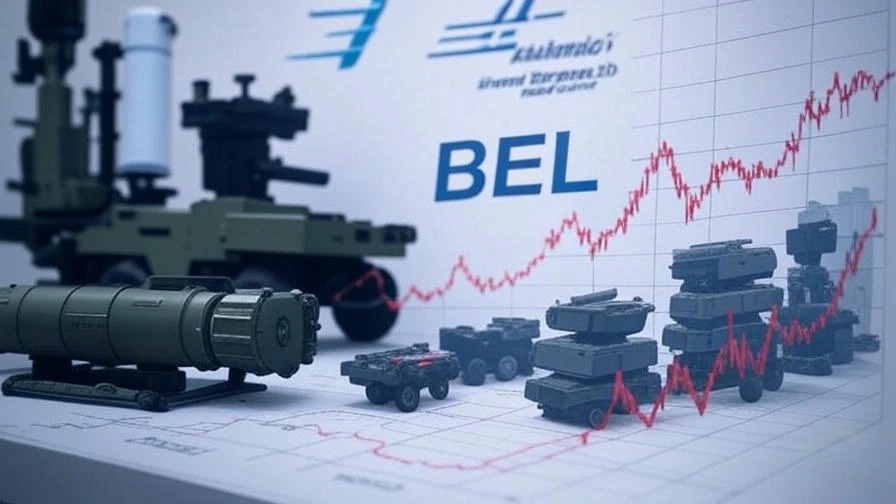
    BEL’s recent performance reads like a fairy tale for long-term investors. The stock has delivered an eye-watering 1,536% return over five years – turning every ₹1 lakh investment into ₹16.36 lakhs. Even in the shorter term, the momentum remains impressive with a 21% gain in just the past month and a hefty 41% surge over three months.

    On June 13, 2025, BEL shares closed at ₹394.30, up 1.83% from the previous session. The stock has been flirting with its 52-week highs, demonstrating consistent buying interest despite stretched valuations.

    But here’s where it gets interesting – and perhaps concerning for some investors.

    The Curious Case of Nippon India’s Exit

    While retail investors continue to chase BEL shares higher, Nippon India Mutual Fund has been quietly reducing its position. Between March 2020 and June 2025, the fund house sold over 5 lakh shares, reducing its stake from 3.16% to 3.15%.

    This might seem minor in percentage terms, but it raises an important question: Why is sophisticated institutional money moving away from a stock that’s delivering such spectacular returns?

    The answer isn’t necessarily bearish. Mutual funds often rebalance portfolios when positions become too large, or they might be booking profits after exceptional gains. However, it does serve as a reminder that even the best-performing stocks can face selling pressure.

    The Fundamentals Behind the Frenzy

    BEL’s financial performance provides solid backing for its stock price rally. The company reported a turnover of ₹23,024 crore in FY25, marking a robust 16.17% growth. The fourth quarter was particularly strong, with revenue from operations reaching ₹9,119 crore.

    What’s more impressive is the profitability. Net profit surged to ₹2,127 crore in Q4 FY25, while EBITDA margins remained healthy at 30.8%. These aren’t just vanity metrics – they reflect a company that’s genuinely growing its business and maintaining pricing power.

    The order book tells an even more compelling story. Standing at ₹71,650 crore as of April 2025, it provides strong revenue visibility for years ahead. For a company with annual revenues of around ₹23,000 crore, this represents more than three years of current business locked in.

    Management’s Ambitious Vision

    BEL’s management isn’t resting on past laurels. They’re targeting 15% revenue growth in FY26 and planning to increase annual investments to over ₹1,000 crore from ₹900 crore in FY24. The five-year roadmap is even more ambitious – aiming for 15-17.5% revenue CAGR and over 20% PAT growth.

    The company is also expanding its footprint beyond traditional defence. Smart cities, cyber security, solar energy, and medical electronics are becoming meaningful revenue contributors. This diversification reduces dependence on defence spending cycles and opens new growth avenues.

    The Defence Sector Tailwinds

    India’s defence modernization drive provides a strong structural tailwind for BEL. The government’s push for self-reliance through ‘Make in India’ initiatives directly benefits companies like BEL that have established manufacturing capabilities and R&D expertise.

    Rising geopolitical tensions have also increased focus on defence preparedness, leading to higher budget allocations. BEL, being a trusted partner of the armed forces with 70+ years of experience, remains well-positioned to capture this opportunity.

    The Valuation Reality Check

    Here’s where investors need to pause and think. While BEL’s P/E ratio of 53 is lower than the industry average of 87, it’s still significantly higher than broader market averages. The stock is clearly pricing in a lot of future growth.

    For context, the company’s market capitalization has grown much faster than its earnings over the past two years. This suggests that while the business fundamentals remain strong, the stock might be ahead of itself in terms of valuation.

    The Risks Worth Considering

    No stock story is complete without acknowledging the risks. BEL faces several challenges:

    Government Dependency: Despite diversification efforts, government orders still drive the majority of revenues. Any slowdown in defence spending or delays in order execution could impact growth.

    Execution Risk: The ambitious growth targets require flawless execution. Delays in new factory setups or cost overruns could hurt margins and investor confidence.

    Competition: Private sector companies are increasingly participating in defence contracts, potentially challenging BEL’s market share.

    Valuation Risk: At current prices, the stock offers little margin of safety. Any disappointment in quarterly results or order inflows could trigger sharp corrections.

    The Verdict: Proceed with Caution

    BEL represents a fascinating case study of a traditional PSU successfully reinventing itself for the modern era. The fundamentals are undeniably strong, management appears competent, and the sector dynamics remain favorable.

    However, the stock’s meteoric rise has left little room for error. New investors entering at current levels are essentially betting on perfect execution of the management’s ambitious plans.

    For existing shareholders, the Nippon India stake sale serves as a reminder that profit booking isn’t always a bad strategy, especially after extraordinary gains.

    The key lesson? Great companies don’t always make great investments at any price. BEL might continue its upward journey, but investors should be prepared for potential volatility and consider position sizing carefully.


    Disclaimer: This analysis is for informational purposes only and should not be construed as investment advice. Stock investing involves substantial risk of loss and may not be suitable for all investors. Past performance does not guarantee future results. Readers are advised to consult with qualified financial advisors and conduct their own research before making investment decisions. The author may or may not hold positions in the stocks discussed.

  • Michigan Power Grid Crisis: DTE & Consumers Energy Face $1 Billion Overhaul After “Worse Than Average” Performance Rating

    Michigan Power Grid Crisis: DTE & Consumers Energy Face $1 Billion Overhaul After “Worse Than Average” Performance Rating

    Michigan residents know the drill all too well – storm clouds gather, winds pick up, and within hours, millions are plunged into darkness for days. This recurring nightmare has finally caught the attention of state regulators, who’ve delivered a harsh reality check to the state’s two utility giants: DTE Energy and Consumers Energy.

    The Damning Audit That Changed Everything

    In September 2024, an independent audit by The Liberty Consulting Group delivered a scathing assessment that neither utility wants to hear – both companies perform “worse than average” compared to their peers nationwide. The Michigan Public Service Commission (MPSC) commissioned this audit in 2022 after mounting public frustration over widespread, prolonged outages affecting over four million customers.

    The culprit? Something as simple as tree branches and fallen limbs on power lines – a problem that speaks to decades of inadequate maintenance and infrastructure neglect. The audit revealed maintenance backlogs that have left Michigan’s power grid vulnerable to even moderate weather events.

    State Regulators Draw the Line

    On June 12, 2025, the MPSC took decisive action, adopting all 75 recommendations from the audit and issuing comprehensive orders to both utilities. This isn’t just a gentle nudge – it’s a complete overhaul mandate that addresses systemic failures head-on.

    Key Requirements Include:

    Enhanced Tree Management: Consumers Energy must consider accelerating tree trimming cycles from seven years to four years. This directly tackles the primary cause of outages – a move that should have been implemented years ago.

    Equipment Replacement Revolution: Instead of replacing equipment based solely on age, utilities must now prioritize replacements based on actual condition assessments and thorough inspections. This proactive approach could prevent failures before they happen.

    Public Safety Priority: Following a tragic 2022 incident where a 14-year-old girl was killed by a downed wire, utilities must implement better protection protocols and enhanced reporting on downed wire statistics. As Public Service Commissioner Katherine Peretick stated, “The danger of live wires that fall down off of utility poles cannot be overstated.”

    Accountability Measures: Perhaps most importantly, the MPSC has linked future rate increase approvals to demonstrated performance improvements – finally connecting customer costs to service quality.

    The Utilities Fight Back – Sort Of

    Both DTE and Consumers Energy have publicly acknowledged the recommendations, but their response reveals a mixed bag of commitment and resistance.

    The Positive Spin:

    • DTE reported a $1.5 billion investment in 2024, contributing to a nearly 70% improvement in customer outage time
    • Both companies hired meteorologists to better predict and prepare for storms
    • Consumers Energy’s “Reliability Roadmap” has reportedly reduced outage duration
    • DTE aims to reduce outages by 30% and cut outage time in half by 2029

    The Pushback Reality: However, the utilities haven’t embraced all 75 recommendations. Consumers Energy disputes the accelerated tree trimming timeline, while DTE questions more frequent overhead line inspections. This selective acceptance raises questions about their true commitment to comprehensive change.

    The Rate Hike Controversy That’s Fueling Public Anger

    Here’s where the story gets particularly frustrating for Michigan residents. While service quality remains subpar, both utilities are aggressively pursuing massive rate increases:

    • Consumers Energy: Seeking $436 million increase (9.2% overall rate hike, 13.3% for households)
    • DTE Energy: Requesting $574 million increase (11.1% residential bill increase)

    Michigan Attorney General Dana Nessel has intervened in both cases, pointedly asking, “At some point, we have to ask how long utility companies like DTE and Consumers Energy will be allowed to treat customer bills and our energy rates like a blank check.”

    This timing couldn’t be worse for public relations – requesting massive rate hikes while simultaneously being labeled as “worse than average” performers.

    The Reality Check: Problems Persist

    Despite claims of improvement, recent events suggest the crisis is far from over. March 2025 storms left over 319,000 customers without power for several days, proving that fundamental problems remain unresolved even after the audit’s release.

    This pattern of recurring failures, combined with rate increase requests, has created a perfect storm of public frustration and regulatory pressure.

    What This Means for Michigan’s Energy Future

    The MPSC’s decision to tie rate approvals to performance improvements represents a watershed moment. For the first time, utilities face real consequences for poor service – their bottom line depends on actual customer satisfaction and grid reliability.

    Potential Positive Outcomes:

    • Accelerated infrastructure modernization
    • Improved storm preparedness and response
    • Enhanced public safety protocols
    • Better maintenance schedules preventing outages

    Remaining Challenges:

    • Utility resistance to certain recommendations
    • Massive capital requirements for grid improvements
    • Balancing customer costs with infrastructure needs
    • Overcoming decades of deferred maintenance

    The Investment Angle: Proceed with Extreme Caution

    While DTE and Consumers Energy are publicly traded companies, potential investors should approach with significant caution. The regulatory environment has fundamentally shifted, with profitability now directly tied to performance metrics rather than guaranteed returns.

    Risk Factors:

    • Massive capital expenditure requirements
    • Regulatory uncertainty around rate approvals
    • Potential penalties for continued poor performance
    • Public relations challenges affecting political support

    Potential Opportunities:

    • Infrastructure modernization could create long-term competitive advantages
    • Improved service could reduce regulatory pressure
    • Grid reliability improvements may support future rate justifications

    The Bottom Line

    Michigan’s power grid crisis represents a classic case of infrastructure neglect meeting regulatory reckoning. The MPSC has provided a clear roadmap for improvement, but execution remains the critical question. With billions in investments required and public patience exhausted, DTE and Consumers Energy face their most challenging period in decades.

    The next few years will determine whether these utilities can transform from “worse than average” performers into reliable energy providers worthy of customer trust and investor confidence.


    Disclaimer: This analysis is based on publicly available information and is for informational purposes only. It does not constitute investment advice, recommendation, or an offer to buy or sell securities. The utility sector involves significant regulatory and operational risks. Readers should conduct thorough due diligence and consult qualified financial advisors before making any investment decisions. Past performance does not guarantee future results.

  • Canara Bank’s Rs 9,500 Crore Capital Raise: A Double-Edged Sword for Investors?

    Canara Bank’s Rs 9,500 Crore Capital Raise: A Double-Edged Sword for Investors?

    The banking sector rarely fails to surprise, and Canara Bank’s latest move is no exception. The public sector lender has just approved an ambitious Rs 9,500 crore fundraising plan for FY26, while simultaneously reporting a stellar 33% jump in Q4 net profits. But as seasoned market watchers know, every coin has two sides.

    The Big Picture: What’s Driving This Capital Push?

    Canara Bank’s board has greenlit a substantial capital raising exercise through Basel III-compliant bonds – Rs 6,000 crore via Tier II bonds and Rs 3,500 crore through Additional Tier I (AT1) bonds. This isn’t just about meeting regulatory requirements; it’s a strategic play to fuel growth ambitions in an increasingly competitive banking landscape.

    Basel III compliance has become the gold standard for banks globally, ensuring they maintain adequate capital buffers to weather financial storms. By raising capital through these instruments, Canara Bank is essentially future-proofing its operations while creating room for expanded lending activities.

    The timing couldn’t be more interesting. With the Indian economy showing resilience and credit demand picking up across sectors, banks need robust capital bases to capitalize on emerging opportunities. Canara Bank’s move signals confidence in its ability to deploy this capital effectively.

    Q4 Results: The Good News Story

    The numbers from Q4 FY25 paint an encouraging picture. Net profit surged 33% year-on-year to Rs 5,002.7 crore, significantly outpacing market expectations. This wasn’t just a one-off performance boost – it reflects improved operational efficiency and better risk management.

    Net Interest Income (NII) grew modestly by 1.4% to Rs 9,442 crore, but importantly, both NII and operating profit exceeded analyst estimates. In an environment where interest margins are under pressure, this performance demonstrates the bank’s ability to optimize its core banking operations.

    The real winner here is asset quality improvement. Gross NPA ratio dropped to 2.94% from 3.34% in the previous quarter, while net NPA fell to 0.70% from 0.89%. The Provision Coverage Ratio also strengthened to 92.70%, indicating robust provisioning against potential losses.

    These metrics suggest Canara Bank has successfully navigated the post-pandemic credit cycle, cleaning up its books while maintaining healthy growth momentum.

    The Flip Side: Warning Signs Investors Shouldn’t Ignore

    However, not everything is rosy in Canara Bank’s garden. Fresh slippages – new additions to non-performing assets – rose to Rs 2,702 crore in Q4, up from Rs 2,464 crore in Q3. More concerning, this figure exceeded market estimates of around Rs 2,650 crore.

    This uptick in fresh defaults raises questions about the sustainability of the current asset quality improvement trend. While the bank is successfully recovering older bad loans, new stress points are emerging. This pattern often signals underlying challenges in specific sectors or geographies that warrant closer monitoring.

    The slippage trend becomes particularly relevant when viewed against the backdrop of the planned capital raise. While the additional capital provides cushion, investors need to assess whether this reflects anticipation of higher credit costs ahead.

    Market Reality Check: Stock Performance vs. Fundamentals

    The market has been kind to Canara Bank lately. The stock has rallied 15% in the past month and an impressive 40% over three months, reflecting investor enthusiasm for the positive developments.

    But here’s where it gets interesting. Despite the recent outperformance, analyst consensus suggests limited upside from current levels. The average target price stands at Rs 113, implying a potential 2% downside. While most of the 17 analysts tracking the stock maintain ‘Buy’ ratings, this price target suggests much of the good news is already baked into the stock price.

    With a market capitalization of Rs 1,04,947 crore, Canara Bank commands significant market presence. However, the gap between current performance and analyst expectations serves as a reality check for investors considering entry at these levels.

    Strategic Implications: Reading Between the Lines

    The capital raise strategy reveals several layers of the bank’s thinking. AT1 bonds, which can be written down during stress scenarios, provide contingent capital that strengthens the balance sheet without diluting equity shareholders. This sophisticated approach to capital management suggests mature financial planning.

    The timing also coincides with regulatory clarity on various banking norms and potential credit growth opportunities in infrastructure, renewable energy, and digital lending spaces. Canara Bank appears to be positioning itself to capture market share in these emerging areas.

    However, the success of this strategy will ultimately depend on management’s ability to deploy capital efficiently while maintaining asset quality standards. The recent slippage trends will be closely watched as a litmus test for the bank’s credit underwriting capabilities.

    What This Means for Different Investor Categories

    For long-term investors, Canara Bank’s proactive capital management and improving fundamentals present a compelling story. The bank’s ability to deliver consistent profits while cleaning up its balance sheet demonstrates operational maturity.

    Short-term traders, however, might find limited immediate upside given the recent rally and analyst price targets. The stock’s performance will likely depend on quarterly execution and how effectively the bank manages its slippage trajectory.

    Risk-averse investors should monitor the fresh NPA trends closely. While current levels are manageable, any significant deterioration could impact the investment thesis.

    The Bottom Line

    Canara Bank’s Rs 9,500 crore capital raise represents a bold step toward strengthening its competitive position. Combined with improved Q4 results, it paints the picture of a bank in transition – moving from recovery mode to growth phase.

    However, the slight uptick in fresh slippages serves as a reminder that banking is inherently cyclical. Success will depend on management’s ability to balance growth ambitions with prudent risk management.

    The market has already rewarded the bank’s progress, but future returns will depend on consistent execution of the growth strategy while keeping asset quality under control.

    Disclaimer: This analysis is for informational purposes only and should not be construed as investment advice. Banking stocks carry inherent risks including credit risk, interest rate risk, and regulatory changes. Investors should conduct their own research and consult with qualified financial advisors before making investment decisions. Past performance does not guarantee future results.